
Global Controlled Atmosphere (CA) Reefer Vessel Market by Size, by Type, by Application, by Region, History and Forecast 2021-2032
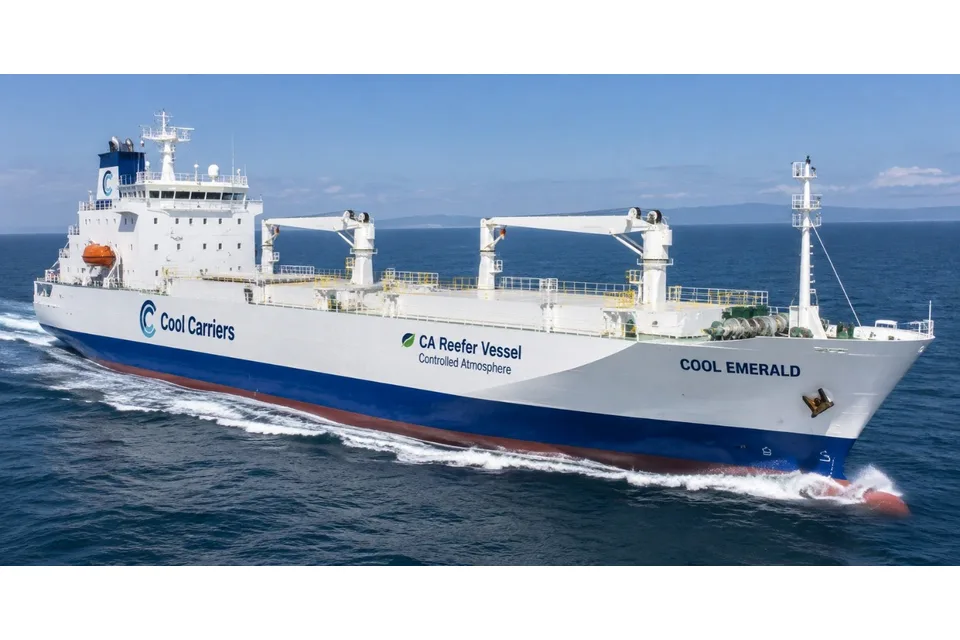
Controlled Atmosphere (CA) Reefer Vessel is a specialized refrigerated cargo ship equipped with integrated refrigeration and atmospheric control systems that regulate cargo hold temperature, oxygen concentration, carbon dioxide concentration, and associated air circulation conditions during maritime transportation. These vessels are primarily used for transporting fresh fruits, vegetables, and other temperature sensitive agricultural commodities that continue to respire after harvesting. Conventional refrigeration reduces biological activity by lowering cargo temperature, while controlled atmosphere technology further suppresses respiration, ripening, senescence, and certain forms of physiological deterioration by reducing oxygen availability and maintaining carbon dioxide concentrations within the tolerance limits of individual commodities. The combined preservation process extends the commercially viable transportation period, reduces moisture and quality losses, and enables fresh produce to withstand prolonged ocean voyages while maintaining acceptable firmness, appearance, and marketable condition. Vessel configurations typically incorporate insulated cargo holds, compartmentalized temperature zones, marine refrigeration machinery, forced air circulation systems, gas distribution pipelines, atmosphere monitoring instruments, automated control valves, nitrogen generation equipment, and carbon dioxide regulation systems. Nitrogen is introduced into enclosed cargo spaces to displace oxygen and establish the required atmospheric composition, while gas monitoring and control equipment compensates for changes caused by cargo respiration, atmospheric leakage, ventilation, and operating conditions. Cargo hold sealing arrangements, hatch covers, ventilation penetrations, pressure relief devices, and gas management equipment are engineered to maintain the required atmospheric conditions throughout transportation. Independent cargo compartments may operate at different temperature and gas concentration settings, allowing vessels to accommodate commodities with distinct preservation requirements within the limits of their installed systems. Cargo respiration generates heat and carbon dioxide while consuming oxygen, requiring coordinated control of refrigeration capacity, air circulation, gas replenishment, carbon dioxide removal, and atmospheric stability. Excessively low oxygen concentrations or elevated carbon dioxide levels can cause physiological injury to certain commodities, making preservation parameters dependent on product variety, maturity, storage temperature, and expected voyage duration. The principal cargoes include bananas, apples, citrus fruits, grapes, avocados, and other fresh produce transported between agricultural exporting regions and major consuming markets. These vessels may also accommodate conventional chilled and frozen cargoes using their refrigeration systems without activating controlled atmosphere operation. Shipboard engineering arrangements incorporate personnel protection measures associated with oxygen deficient atmospheres, including controlled access, atmospheric monitoring, ventilation, pressure management, and procedures for restoring breathable conditions before cargo hold entry. The commercial and technical specifications of CA reefer vessels are determined by refrigerated cargo capacity, pallet accommodation, cargo compartment arrangement, operating temperature range, refrigeration performance, atmospheric control capability, gas generation capacity, cargo handling efficiency, and the ability to maintain stable preservation conditions under varying marine environments. Their operational performance depends on the interaction between cargo characteristics, refrigeration loads, atmospheric leakage, gas control response, equipment reliability, and voyage duration, with vessel construction integrating hull design, refrigerated cargo containment, marine power systems, and dedicated atmospheric preservation equipment into a complete ocean transportation asset.
Product & engineering
Understand the product.
Controlled Atmosphere (CA) Reefer Vessel is a specialized refrigerated cargo ship equipped with integrated refrigeration and atmospheric control systems that regulate cargo hold temperature, oxygen concentration, carbon dioxide concentration, and associated air circulation conditions during maritime transportation. These vessels are primarily used for transporting fresh fruits, vegetables, and other temperature sensitive agricultural commodities that continue to respire after harvesting. Conventional refrigeration reduces biological activity by lowering cargo temperature, while controlled atmosphere technology further suppresses respiration, ripening, senescence, and certain forms of physiological deterioration by reducing oxygen availability and maintaining carbon dioxide concentrations within the tolerance limits of individual commodities. The combined preservation process extends the commercially viable transportation period, reduces moisture and quality losses, and enables fresh produce to withstand prolonged ocean voyages while maintaining acceptable firmness, appearance, and marketable condition. Vessel configurations typically incorporate insulated cargo holds, compartmentalized temperature zones, marine refrigeration machinery, forced air circulation systems, gas distribution pipelines, atmosphere monitoring instruments, automated control valves, nitrogen generation equipment, and carbon dioxide regulation systems. Nitrogen is introduced into enclosed cargo spaces to displace oxygen and establish the required atmospheric composition, while gas monitoring and control equipment compensates for changes caused by cargo respiration, atmospheric leakage, ventilation, and operating conditions. Cargo hold sealing arrangements, hatch covers, ventilation penetrations, pressure relief devices, and gas management equipment are engineered to maintain the required atmospheric conditions throughout transportation. Independent cargo compartments may operate at different temperature and gas concentration settings, allowing vessels to accommodate commodities with distinct preservation requirements within the limits of their installed systems. Cargo respiration generates heat and carbon dioxide while consuming oxygen, requiring coordinated control of refrigeration capacity, air circulation, gas replenishment, carbon dioxide removal, and atmospheric stability. Excessively low oxygen concentrations or elevated carbon dioxide levels can cause physiological injury to certain commodities, making preservation parameters dependent on product variety, maturity, storage temperature, and expected voyage duration. The principal cargoes include bananas, apples, citrus fruits, grapes, avocados, and other fresh produce transported between agricultural exporting regions and major consuming markets. These vessels may also accommodate conventional chilled and frozen cargoes using their refrigeration systems without activating controlled atmosphere operation. Shipboard engineering arrangements incorporate personnel protection measures associated with oxygen deficient atmospheres, including controlled access, atmospheric monitoring, ventilation, pressure management, and procedures for restoring breathable conditions before cargo hold entry. The commercial and technical specifications of CA reefer vessels are determined by refrigerated cargo capacity, pallet accommodation, cargo compartment arrangement, operating temperature range, refrigeration performance, atmospheric control capability, gas generation capacity, cargo handling efficiency, and the ability to maintain stable preservation conditions under varying marine environments. Their operational performance depends on the interaction between cargo characteristics, refrigeration loads, atmospheric leakage, gas control response, equipment reliability, and voyage duration, with vessel construction integrating hull design, refrigerated cargo containment, marine power systems, and dedicated atmospheric preservation equipment into a complete ocean transportation asset.
Selected research
Market Structure
Global Controlled Atmosphere (CA) Reefer Vessel Market by Size, by Type, by Application, by Region, History and Forecast 2021-2032
Market perspective
This report examines the Controlled Atmosphere (CA) Reefer Vessel market through company coverage, product types, applications and the regional scope set out in the following sections.
On the production side, the report examines Controlled Atmosphere (CA) Reefer Vessel output, growth rates, and market shares by manufacturer and by region (at regional and country level) for 2021-2026, with forecasts through 2032.
On the consumption side, the report analyzes sales of Controlled Atmosphere (CA) Reefer Vessel by region (regional and country level), company, type, and application for 2021-2026 and provides forecasts through 2032.
Full market overview
The report provides an overview of the global Controlled Atmosphere (CA) Reefer Vessel market in terms of capacity, output, revenue, and price, analyzing global market trends using historical revenue and sales data for 2021-2025, estimates for 2026, and projected CAGRs through 2032.
The study covers key producers of Controlled Atmosphere (CA) Reefer Vessel and consumption patterns in major regions and countries, assesses future market potential, and highlights priority regions and countries for segmenting the market into sub-sectors, with country-specific market value data for the U.S., Canada, Mexico, Brazil, China, Japan, South Korea, Southeast Asia, India, Germany, the U.K., Italy, the Middle East, Africa, and other countries.
The report also presents Controlled Atmosphere (CA) Reefer Vessel sales, revenue, market share, and industry ranking for the main manufacturers for 2021-2026, identifies the major stakeholders in the global market, and analyzes their competitive landscape and market positioning based on recent developments and segmental revenues.
In addition, the report analyzes segment data by Type and application—covering sales, revenue, and price—for 2021-2032, and evaluates and forecasts the Controlled Atmosphere (CA) Reefer Vessel market size, projected growth trends, production technologies, key applications, and end-use industries.
Controlled Atmosphere (CA) Reefer Vessel Segment by Company
- Shikoku Dockyard
- Kitanihon Shipbuilding
- Kyokuyo Shipyard
- Iwagi Zosen
- Fukuoka Shipbuilding
- Kanasashi
- Honda Shipbuilding
- CSBC
- Brodosplit
Controlled Atmosphere (CA) Reefer Vessel Segment by Type
- CA
- CA (INST)
Controlled Atmosphere (CA) Reefer Vessel Segment by Application
- Fresh Fruits
- Fresh Vegetables
- Frozen Meat
- Seafood
Controlled Atmosphere (CA) Reefer Vessel Segment by Region
- North America
- United States
- Canada
- Mexico
- Europe
- Germany
- France
- U.K.
- Italy
- Russia
- Spain
- Netherlands
- Switzerland
- Sweden
- Poland
- Asia-Pacific
- China
- Japan
- South Korea
- India
- Australia
- Taiwan
- Southeast Asia
- South America
- Brazil
- Argentina
- Chile
- Colombia
- Middle East & Africa
- Egypt
- South Africa
- Israel
- Türkiye
- GCC Countries
Study Objectives
- To analyze and research the global status and future forecast, involving, production, value, consumption, growth rate (CAGR), market share, historical and forecast.
- To present the key manufacturers, capacity, production, revenue, market share, and Recent Developments.
- To split the breakdown data by regions, type, manufacturers, and Application.
- To analyze the global and key regions market potential and advantage, opportunity and challenge, restraints, and risks.
- To identify significant trends, drivers, influence factors in global and regions.
- To analyze competitive developments such as expansions, agreements, new product launches, and acquisitions in the market.
Reasons to Buy This Report
- This report will help the readers to understand the competition within the industries and strategies for the competitive environment to enhance the potential profit. The report also focuses on the competitive landscape of the global Controlled Atmosphere (CA) Reefer Vessel market, and introduces in detail the market share, industry ranking, competitor ecosystem, market performance, new product development, operation situation, expansion, and acquisition. etc. of the main players, which helps the readers to identify the main competitors and deeply understand the competition pattern of the market.
- This report will help stakeholders to understand the global industry status and trends of Controlled Atmosphere (CA) Reefer Vessel and provides them with information on key market drivers, restraints, challenges, and opportunities.
- This report will help stakeholders to understand competitors better and gain more insights to strengthen their position in their businesses. The competitive landscape section includes the market share and rank (in volume and value), competitor ecosystem, new product development, expansion, and acquisition.
- This report stays updated with novel technology integration, features, and the latest developments in the market.
- This report helps stakeholders to gain insights into which regions to target globally.
- This report helps stakeholders to gain insights into the end-user perception concerning the adoption of Controlled Atmosphere (CA) Reefer Vessel.
- This report helps stakeholders to identify some of the key players in the market and understand their valuable contribution.
Chapter Outline
- Chapter 1: Provides an overview of the Controlled Atmosphere (CA) Reefer Vessel market, including product definition, global market growth prospects, production value, capacity, and average price forecasts (2021-2032).
- Chapter 2: Analysis key trends, drivers, challenges, and opportunities within the global Controlled Atmosphere (CA) Reefer Vessel industry.
- Chapter 3: Detailed analysis of Controlled Atmosphere (CA) Reefer Vessel market competition landscape. Including Controlled Atmosphere (CA) Reefer Vessel manufacturers' output value, output and average price from 2021 to 2026, as well as competition analysis indicators such as origin, product type, application, merger and acquisition information, etc.
- Chapter 4: Provides the analysis of various market segments by Type, covering the market size and development potential of each market segment, to help readers find the blue ocean market in different market segments.
- Chapter 5: Provides the analysis of various market segments by Application, covering the market size and development potential of each market segment, to help readers find the blue ocean market in different downstream markets.
- Chapter 6: Provides profiles of key players, introducing the basic situation of the main companies in the market in detail, including product production/output, value, price, gross margin, product introduction, recent development, etc.
- Chapter 7: Production/Production Value of Controlled Atmosphere (CA) Reefer Vessel by region. It provides a quantitative analysis of the market size and development potential of each region in the next six years.
- Chapter 8: Consumption of Controlled Atmosphere (CA) Reefer Vessel in regional level and country level. It provides a quantitative analysis of the market size and development potential of each region and its main countries and introduces the market development, future development prospects, market space, and production of each country in the world.
- Chapter 9: Analysis of industrial chain, including the upstream and downstream of the industry.
- Chapter 10: Concluding Insights of the report.
More report detail
Tables and figures
List of Tables
- Table 1. Controlled Atmosphere (CA) Reefer Vessel Industry Trends
- Table 2. Controlled Atmosphere (CA) Reefer Vessel Industry Drivers
- Table 3. Controlled Atmosphere (CA) Reefer Vessel Industry Opportunities and Challenges
- Table 4. Controlled Atmosphere (CA) Reefer Vessel Industry Restraints
- Table 5. Global Controlled Atmosphere (CA) Reefer Vessel Production Value by Manufacturers (US$ Million) & (2021-2026)
- Table 6. Global Controlled Atmosphere (CA) Reefer Vessel Production Value Share by Manufacturers (2021-2026)
- Table 7. Global Controlled Atmosphere (CA) Reefer Vessel Production by Manufacturers (units) & (2021-2026)
- Table 8. Global Controlled Atmosphere (CA) Reefer Vessel Production Market Share by Manufacturers
- Table 9. Global Controlled Atmosphere (CA) Reefer Vessel Average Price (USD Million/unit) of Manufacturers (2021-2026)
- Table 10. Global Controlled Atmosphere (CA) Reefer Vessel Industry Manufacturers Ranking, 2024 VS 2025 VS 2026
- Table 11. Global Controlled Atmosphere (CA) Reefer Vessel Key Manufacturers Manufacturing Sites & Headquarters
- Table 12. Global Controlled Atmosphere (CA) Reefer Vessel Manufacturers, Product Type & Application
- Table 13. Global Controlled Atmosphere (CA) Reefer Vessel Manufacturers Established Date
- Table 14. Global Manufacturers Market Concentration Ratio (CR5 and HHI)
- Table 15. Global Controlled Atmosphere (CA) Reefer Vessel by Manufacturers Type (Tier 1, Tier 2, and Tier 3) & (based on the Production Value of 2025)
- Table 16. Major Manufacturers of CA
- Table 17. Major Manufacturers of CA (INST)
- Table 18. Global Controlled Atmosphere (CA) Reefer Vessel Production by Type 2021 VS 2025 VS 2032 (units)
- Table 19. Global Controlled Atmosphere (CA) Reefer Vessel Production by Type (2021-2026) & (units)
- Table 20. Global Controlled Atmosphere (CA) Reefer Vessel Production by Type (2027-2032) & (units)
- Table 21. Global Controlled Atmosphere (CA) Reefer Vessel Production Market Share by Type (2021-2026)
- Table 22. Global Controlled Atmosphere (CA) Reefer Vessel Production Market Share by Type (2027-2032)
- Table 23. Global Controlled Atmosphere (CA) Reefer Vessel Production Value by Type 2021 VS 2025 VS 2032 (units)
- Table 24. Global Controlled Atmosphere (CA) Reefer Vessel Production Value by Type (2021-2026) & (units)
- Table 25. Global Controlled Atmosphere (CA) Reefer Vessel Production Value by Type (2027-2032) & (units)
- Table 26. Global Controlled Atmosphere (CA) Reefer Vessel Production Value Market Share by Type (2021-2026)
- Table 27. Global Controlled Atmosphere (CA) Reefer Vessel Production Value Market Share by Type (2027-2032)
- Table 28. Major Manufacturers of Fresh Fruits
- Table 29. Major Manufacturers of Fresh Vegetables
- Table 30. Major Manufacturers of Frozen Meat
- Table 31. Major Manufacturers of Seafood
- Table 32. Global Controlled Atmosphere (CA) Reefer Vessel Production by Application 2021 VS 2025 VS 2032 (units)
- Table 33. Global Controlled Atmosphere (CA) Reefer Vessel Production by Application (2021-2026) & (units)
- Table 34. Global Controlled Atmosphere (CA) Reefer Vessel Production by Application (2027-2032) & (units)
- Table 35. Global Controlled Atmosphere (CA) Reefer Vessel Production Market Share by Application (2021-2026)
- Table 36. Global Controlled Atmosphere (CA) Reefer Vessel Production Market Share by Application (2027-2032)
- Table 37. Global Controlled Atmosphere (CA) Reefer Vessel Production Value by Application 2021 VS 2025 VS 2032 (units)
- Table 38. Global Controlled Atmosphere (CA) Reefer Vessel Production Value by Application (2021-2026) & (units)
- Table 39. Global Controlled Atmosphere (CA) Reefer Vessel Production Value by Application (2027-2032) & (units)
- Table 40. Global Controlled Atmosphere (CA) Reefer Vessel Production Value Market Share by Application (2021-2026)
- Table 41. Global Controlled Atmosphere (CA) Reefer Vessel Production Value Market Share by Application (2027-2032)
- Table 42. Shikoku Dockyard Company Information
- Table 43. Shikoku Dockyard Business Overview
- Table 44. Shikoku Dockyard Controlled Atmosphere (CA) Reefer Vessel Production (units), Value (US$ Million), Price (USD Million/unit) and Gross Margin (2021-2026)
- Table 45. Shikoku Dockyard Controlled Atmosphere (CA) Reefer Vessel Product Portfolio
- Table 46. Shikoku Dockyard Recent Development
- Table 47. Kitanihon Shipbuilding Company Information
- Table 48. Kitanihon Shipbuilding Business Overview
- Table 49. Kitanihon Shipbuilding Controlled Atmosphere (CA) Reefer Vessel Production (units), Value (US$ Million), Price (USD Million/unit) and Gross Margin (2021-2026)
- Table 50. Kitanihon Shipbuilding Controlled Atmosphere (CA) Reefer Vessel Product Portfolio
- Table 51. Kitanihon Shipbuilding Recent Development
- Table 52. Kyokuyo Shipyard Company Information
- Table 53. Kyokuyo Shipyard Business Overview
- Table 54. Kyokuyo Shipyard Controlled Atmosphere (CA) Reefer Vessel Production (units), Value (US$ Million), Price (USD Million/unit) and Gross Margin (2021-2026)
- Table 55. Kyokuyo Shipyard Controlled Atmosphere (CA) Reefer Vessel Product Portfolio
- Table 56. Kyokuyo Shipyard Recent Development
- Table 57. Iwagi Zosen Company Information
- Table 58. Iwagi Zosen Business Overview
- Table 59. Iwagi Zosen Controlled Atmosphere (CA) Reefer Vessel Production (units), Value (US$ Million), Price (USD Million/unit) and Gross Margin (2021-2026)
- Table 60. Iwagi Zosen Controlled Atmosphere (CA) Reefer Vessel Product Portfolio
- Table 61. Iwagi Zosen Recent Development
- Table 62. Fukuoka Shipbuilding Company Information
- Table 63. Fukuoka Shipbuilding Business Overview
- Table 64. Fukuoka Shipbuilding Controlled Atmosphere (CA) Reefer Vessel Production (units), Value (US$ Million), Price (USD Million/unit) and Gross Margin (2021-2026)
- Table 65. Fukuoka Shipbuilding Controlled Atmosphere (CA) Reefer Vessel Product Portfolio
- Table 66. Fukuoka Shipbuilding Recent Development
- Table 67. Kanasashi Company Information
- Table 68. Kanasashi Business Overview
- Table 69. Kanasashi Controlled Atmosphere (CA) Reefer Vessel Production (units), Value (US$ Million), Price (USD Million/unit) and Gross Margin (2021-2026)
- Table 70. Kanasashi Controlled Atmosphere (CA) Reefer Vessel Product Portfolio
- Table 71. Kanasashi Recent Development
- Table 72. Honda Shipbuilding Company Information
- Table 73. Honda Shipbuilding Business Overview
- Table 74. Honda Shipbuilding Controlled Atmosphere (CA) Reefer Vessel Production (units), Value (US$ Million), Price (USD Million/unit) and Gross Margin (2021-2026)
- Table 75. Honda Shipbuilding Controlled Atmosphere (CA) Reefer Vessel Product Portfolio
- Table 76. Honda Shipbuilding Recent Development
- Table 77. CSBC Company Information
- Table 78. CSBC Business Overview
- Table 79. CSBC Controlled Atmosphere (CA) Reefer Vessel Production (units), Value (US$ Million), Price (USD Million/unit) and Gross Margin (2021-2026)
- Table 80. CSBC Controlled Atmosphere (CA) Reefer Vessel Product Portfolio
- Table 81. CSBC Recent Development
- Table 82. Brodosplit Company Information
- Table 83. Brodosplit Business Overview
- Table 84. Brodosplit Controlled Atmosphere (CA) Reefer Vessel Production (units), Value (US$ Million), Price (USD Million/unit) and Gross Margin (2021-2026)
- Table 85. Brodosplit Controlled Atmosphere (CA) Reefer Vessel Product Portfolio
- Table 86. Brodosplit Recent Development
- Table 87. Global Controlled Atmosphere (CA) Reefer Vessel Production by Region: 2021 VS 2025 VS 2032 (units)
- Table 88. Global Controlled Atmosphere (CA) Reefer Vessel Production by Region (2021-2026) & (units)
- Table 89. Global Controlled Atmosphere (CA) Reefer Vessel Production Market Share by Region (2021-2026)
- Table 90. Global Controlled Atmosphere (CA) Reefer Vessel Production Forecast by Region (2027-2032) & (units)
- Table 91. Global Controlled Atmosphere (CA) Reefer Vessel Production Market Share Forecast by Region (2027-2032)
- Table 92. Global Controlled Atmosphere (CA) Reefer Vessel Production Value Comparison by Region: 2021 VS 2025 VS 2032 (US$ Million)
- Table 93. Global Controlled Atmosphere (CA) Reefer Vessel Production Value by Region (2021-2026) & (US$ Million)
- Table 94. Global Controlled Atmosphere (CA) Reefer Vessel Production Value Share by Region (2021-2026)
- Table 95. Global Controlled Atmosphere (CA) Reefer Vessel Production Value by Region (2027-2032) & (US$ Million)
- Table 96. Global Controlled Atmosphere (CA) Reefer Vessel Production Value Share by Region: (2027-2032) & (US$ Million)
- Table 97. Global Controlled Atmosphere (CA) Reefer Vessel Market Average Price (USD Million/unit) by Region (2021-2026)
- Table 98. Global Controlled Atmosphere (CA) Reefer Vessel Market Average Price (USD Million/unit) by Region (2027-2032)
- Table 99. Global Controlled Atmosphere (CA) Reefer Vessel Consumption by Region: 2021 VS 2025 VS 2032 (units)
- Table 100. Global Controlled Atmosphere (CA) Reefer Vessel Consumption by Region (2021-2026) & (units)
- Table 101. Global Controlled Atmosphere (CA) Reefer Vessel Consumption Market Share by Region (2021-2026)
- Table 102. Global Controlled Atmosphere (CA) Reefer Vessel Consumption Forecasted by Region (2027-2032) & (units)
- Table 103. Global Controlled Atmosphere (CA) Reefer Vessel Consumption Forecasted Market Share by Region (2027-2032)
- Table 104. North America Controlled Atmosphere (CA) Reefer Vessel Consumption Growth Rate by Country: 2021 VS 2025 VS 2032 (units)
- Table 105. North America Controlled Atmosphere (CA) Reefer Vessel Consumption by Country (2021-2026) & (units)
- Table 106. North America Controlled Atmosphere (CA) Reefer Vessel Consumption by Country (2027-2032) & (units)
- Table 107. Europe Controlled Atmosphere (CA) Reefer Vessel Consumption Growth Rate by Country: 2021 VS 2025 VS 2032 (units)
- Table 108. Europe Controlled Atmosphere (CA) Reefer Vessel Consumption by Country (2021-2026) & (units)
- Table 109. Europe Controlled Atmosphere (CA) Reefer Vessel Consumption by Country (2027-2032) & (units)
- Table 110. Asia Pacific Controlled Atmosphere (CA) Reefer Vessel Consumption Growth Rate by Country: 2021 VS 2025 VS 2032 (units)
- Table 111. Asia Pacific Controlled Atmosphere (CA) Reefer Vessel Consumption by Country (2021-2026) & (units)
- Table 112. Asia Pacific Controlled Atmosphere (CA) Reefer Vessel Consumption by Country (2027-2032) & (units)
- Table 113. South America Controlled Atmosphere (CA) Reefer Vessel Consumption Growth Rate by Country: 2021 VS 2025 VS 2032 (units)
- Table 114. South America Controlled Atmosphere (CA) Reefer Vessel Consumption by Country (2021-2026) & (units)
- Table 115. South America Controlled Atmosphere (CA) Reefer Vessel Consumption by Country (2027-2032) & (units)
- Table 116. Middle East & Africa Controlled Atmosphere (CA) Reefer Vessel Consumption Growth Rate by Country: 2021 VS 2025 VS 2032 (units)
- Table 117. Middle East & Africa Controlled Atmosphere (CA) Reefer Vessel Consumption by Country (2021-2026) & (units)
- Table 118. Middle East & Africa Controlled Atmosphere (CA) Reefer Vessel Consumption by Country (2027-2032) & (units)
- Table 119. Key Raw Materials
- Table 120. Raw Materials Key Suppliers
- Table 121. Controlled Atmosphere (CA) Reefer Vessel Distributors List
- Table 122. Controlled Atmosphere (CA) Reefer Vessel Customers List
- Table 123. Research Programs/Design for This Report
- Table 124. Authors List of This Report
- Table 125. Secondary Sources
- Table 126. Primary Sources
List of Figures
- Figure 1. Controlled Atmosphere (CA) Reefer Vessel Product Image
- Figure 2. Global Controlled Atmosphere (CA) Reefer Vessel Production Value (US$ Million), 2021 VS 2025 VS 2032
- Figure 3. Global Controlled Atmosphere (CA) Reefer Vessel Production Value (2021-2032) & (US$ Million)
- Figure 4. Global Controlled Atmosphere (CA) Reefer Vessel Production Capacity (2021-2032) & (units)
- Figure 5. Global Controlled Atmosphere (CA) Reefer Vessel Production (2021-2032) & (units)
- Figure 6. Global Controlled Atmosphere (CA) Reefer Vessel Average Price (USD Million/unit) & (2021-2032)
- Figure 7. Global Top 5 and 10 Controlled Atmosphere (CA) Reefer Vessel Players Market Share by Production Value in 2025
- Figure 8. Manufacturers Type (Tier 1, Tier 2, and Tier 3): 2021 VS 2025
- Figure 9. CA Image
- Figure 10. CA (INST) Image
- Figure 11. Global Controlled Atmosphere (CA) Reefer Vessel Production by Type (2021 VS 2025 VS 2032) & (units)
- Figure 12. Global Controlled Atmosphere (CA) Reefer Vessel Production Market Share 2021 VS 2025 VS 2032
- Figure 13. Global Controlled Atmosphere (CA) Reefer Vessel Production Market Share by Type (2021-2032)
- Figure 14. Global Controlled Atmosphere (CA) Reefer Vessel Production Value by Type (2021 VS 2025 VS 2032) & (units)
- Figure 15. Global Controlled Atmosphere (CA) Reefer Vessel Production Value Share 2021 VS 2025 VS 2032
- Figure 16. Global Controlled Atmosphere (CA) Reefer Vessel Production Value Share by Type (2021-2032)
- Figure 17. Fresh Fruits Image
- Figure 18. Fresh Vegetables Image
- Figure 19. Frozen Meat Image
- Figure 20. Seafood Image
- Figure 21. Global Controlled Atmosphere (CA) Reefer Vessel Production by Application (2021 VS 2025 VS 2032) & (units)
- Figure 22. Global Controlled Atmosphere (CA) Reefer Vessel Production Market Share 2021 VS 2025 VS 2032
- Figure 23. Global Controlled Atmosphere (CA) Reefer Vessel Production Market Share by Application (2021-2032)
- Figure 24. Global Controlled Atmosphere (CA) Reefer Vessel Production Value by Application (2021 VS 2025 VS 2032) & (units)
- Figure 25. Global Controlled Atmosphere (CA) Reefer Vessel Production Value Share 2021 VS 2025 VS 2032
- Figure 26. Global Controlled Atmosphere (CA) Reefer Vessel Production Value Share by Application (2021-2032)
- Figure 27. Global Controlled Atmosphere (CA) Reefer Vessel Production by Region: 2021 VS 2025 VS 2032 (units)
- Figure 28. Global Controlled Atmosphere (CA) Reefer Vessel Production Market Share by Region: 2021 VS 2025 VS 2032
- Figure 29. Global Controlled Atmosphere (CA) Reefer Vessel Production Value Comparison by Region: 2021 VS 2025 VS 2032 (US$ Million)
- Figure 30. Global Controlled Atmosphere (CA) Reefer Vessel Production Value Share by Region: 2021 VS 2025 VS 2032
- Figure 31. North America Controlled Atmosphere (CA) Reefer Vessel Production Value (2021-2032) & (US$ Million)
- Figure 32. Europe Controlled Atmosphere (CA) Reefer Vessel Production Value (2021-2032) & (US$ Million)
- Figure 33. Asia-Pacific Controlled Atmosphere (CA) Reefer Vessel Production Value (2021-2032) & (US$ Million)
- Figure 34. South America Controlled Atmosphere (CA) Reefer Vessel Production Value (2021-2032) & (US$ Million)
- Figure 35. Middle East & Africa Controlled Atmosphere (CA) Reefer Vessel Production Value (2021-2032) & (US$ Million)
- Figure 36. North America Controlled Atmosphere (CA) Reefer Vessel Consumption and Growth Rate (2021-2032) & (units)
- Figure 37. North America Controlled Atmosphere (CA) Reefer Vessel Consumption Market Share by Country (2021-2032)
- Figure 38. U.S. Controlled Atmosphere (CA) Reefer Vessel Consumption and Growth Rate (2021-2032) & (units)
- Figure 39. Canada Controlled Atmosphere (CA) Reefer Vessel Consumption and Growth Rate (2021-2032) & (units)
- Figure 40. Mexico Controlled Atmosphere (CA) Reefer Vessel Consumption and Growth Rate (2021-2032) & (units)
- Figure 41. Europe Controlled Atmosphere (CA) Reefer Vessel Consumption and Growth Rate (2021-2032) & (units)
- Figure 42. Europe Controlled Atmosphere (CA) Reefer Vessel Consumption Market Share by Country (2021-2032)
- Figure 43. Germany Controlled Atmosphere (CA) Reefer Vessel Consumption and Growth Rate (2021-2032) & (units)
- Figure 44. France Controlled Atmosphere (CA) Reefer Vessel Consumption and Growth Rate (2021-2032) & (units)
- Figure 45. U.K. Controlled Atmosphere (CA) Reefer Vessel Consumption and Growth Rate (2021-2032) & (units)
- Figure 46. Italy Controlled Atmosphere (CA) Reefer Vessel Consumption and Growth Rate (2021-2032) & (units)
- Figure 47. Netherlands Controlled Atmosphere (CA) Reefer Vessel Consumption and Growth Rate (2021-2032) & (units)
- Figure 48. Asia Pacific Controlled Atmosphere (CA) Reefer Vessel Consumption and Growth Rate (2021-2032) & (units)
- Figure 49. Asia Pacific Controlled Atmosphere (CA) Reefer Vessel Consumption Market Share by Country (2021-2032)
- Figure 50. China Controlled Atmosphere (CA) Reefer Vessel Consumption and Growth Rate (2021-2032) & (units)
- Figure 51. Japan Controlled Atmosphere (CA) Reefer Vessel Consumption and Growth Rate (2021-2032) & (units)
- Figure 52. South Korea Controlled Atmosphere (CA) Reefer Vessel Consumption and Growth Rate (2021-2032) & (units)
- Figure 53. Southeast Asia Controlled Atmosphere (CA) Reefer Vessel Consumption and Growth Rate (2021-2032) & (units)
- Figure 54. India Controlled Atmosphere (CA) Reefer Vessel Consumption and Growth Rate (2021-2032) & (units)
- Figure 55. Australia Controlled Atmosphere (CA) Reefer Vessel Consumption and Growth Rate (2021-2032) & (units)
- Figure 56. South America Controlled Atmosphere (CA) Reefer Vessel Consumption and Growth Rate (2021-2032) & (units)
- Figure 57. South America Controlled Atmosphere (CA) Reefer Vessel Consumption Market Share by Country (2021-2032)
- Figure 58. Brazil Controlled Atmosphere (CA) Reefer Vessel Consumption and Growth Rate (2021-2032) & (units)
- Figure 59. Argentina Controlled Atmosphere (CA) Reefer Vessel Consumption and Growth Rate (2021-2032) & (units)
- Figure 60. Chile Controlled Atmosphere (CA) Reefer Vessel Consumption and Growth Rate (2021-2032) & (units)
- Figure 61. Colombia Controlled Atmosphere (CA) Reefer Vessel Consumption and Growth Rate (2021-2032) & (units)
- Figure 62. Middle East & Africa Controlled Atmosphere (CA) Reefer Vessel Consumption and Growth Rate (2021-2032) & (units)
- Figure 63. Middle East & Africa Controlled Atmosphere (CA) Reefer Vessel Consumption Market Share by Country (2021-2032)
- Figure 64. Egypt Controlled Atmosphere (CA) Reefer Vessel Consumption and Growth Rate (2021-2032) & (units)
- Figure 65. South Africa Controlled Atmosphere (CA) Reefer Vessel Consumption and Growth Rate (2021-2032) & (units)
- Figure 66. Israel Controlled Atmosphere (CA) Reefer Vessel Consumption and Growth Rate (2021-2032) & (units)
- Figure 67. Türkiye Controlled Atmosphere (CA) Reefer Vessel Consumption and Growth Rate (2021-2032) & (units)
- Figure 68. GCC Countries Controlled Atmosphere (CA) Reefer Vessel Consumption and Growth Rate (2021-2032) & (units)
- Figure 69. Controlled Atmosphere (CA) Reefer Vessel Value Chain
- Figure 70. Manufacturing Cost Structure
- Figure 71. Controlled Atmosphere (CA) Reefer Vessel Production Mode & Process
- Figure 72. Direct Comparison with Distribution Share
- Figure 73. Distributors Profiles
- Figure 74. Years Considered
- Figure 75. Research Process
- Figure 76. Key Executives Interviewed
Scope & coverage.
By Type
- CA
- CA (INST)
By Application
- Fresh Fruits
- Fresh Vegetables
- Frozen Meat
- Seafood
Companies covered
- Shikoku Dockyard
- Kitanihon Shipbuilding
- Kyokuyo Shipyard
- Iwagi Zosen
- Fukuoka Shipbuilding
- Kanasashi
- Honda Shipbuilding
- CSBC
- Brodosplit
Inside the report.
1 Market Overview
- 1.1 Product Definition
- 1.2 Global Market Growth Prospects
- 1.2.1 Global Controlled Atmosphere (CA) Reefer Vessel Production Value Estimates and Forecasts (2021-2032)
- 1.2.2 Global Controlled Atmosphere (CA) Reefer Vessel Production Capacity Estimates and Forecasts (2021-2032)
- 1.2.3 Global Controlled Atmosphere (CA) Reefer Vessel Production Estimates and Forecasts (2021-2032)
- 1.2.4 Global Controlled Atmosphere (CA) Reefer Vessel Market Average Price (2021-2032)
- 1.3 Assumptions and Limitations
- 1.4 Study Goals and Objectives
2 Global Controlled Atmosphere (CA) Reefer Vessel Market Dynamics
- 2.1 Controlled Atmosphere (CA) Reefer Vessel Industry Trends
- 2.2 Controlled Atmosphere (CA) Reefer Vessel Industry Drivers
- 2.3 Controlled Atmosphere (CA) Reefer Vessel Industry Opportunities and Challenges
- 2.4 Controlled Atmosphere (CA) Reefer Vessel Industry Restraints
3 Controlled Atmosphere (CA) Reefer Vessel Market by Manufacturers
- 3.1 Global Controlled Atmosphere (CA) Reefer Vessel Production Value by Manufacturers (2021-2026)
- 3.2 Global Controlled Atmosphere (CA) Reefer Vessel Production by Manufacturers (2021-2026)
- 3.3 Global Controlled Atmosphere (CA) Reefer Vessel Average Price by Manufacturers (2021-2026)
- 3.4 Global Controlled Atmosphere (CA) Reefer Vessel Industry Manufacturers Ranking, 2024 VS 2025 VS 2026
- 3.5 Global Controlled Atmosphere (CA) Reefer Vessel Key Manufacturers Manufacturing Sites & Headquarters
- 3.6 Global Controlled Atmosphere (CA) Reefer Vessel Manufacturers, Product Type & Application
- 3.7 Global Controlled Atmosphere (CA) Reefer Vessel Manufacturers Established Date
- 3.8 Market Competitive Analysis
- 3.8.1 Global Controlled Atmosphere (CA) Reefer Vessel Market CR5 and HHI
- 3.8.2 Global Top 5 and 10 Controlled Atmosphere (CA) Reefer Vessel Players Market Share by Production Value in 2025
- 3.8.3 2025 Controlled Atmosphere (CA) Reefer Vessel Tier 1, Tier 2, and Tier 3
4 Controlled Atmosphere (CA) Reefer Vessel Market by Type
- 4.1 Controlled Atmosphere (CA) Reefer Vessel Type Introduction
- 4.1.1 CA
- 4.1.2 CA (INST)
- 4.2 Global Controlled Atmosphere (CA) Reefer Vessel Production by Type
- 4.2.1 Global Controlled Atmosphere (CA) Reefer Vessel Production by Type (2021 VS 2025 VS 2032)
- 4.2.2 Global Controlled Atmosphere (CA) Reefer Vessel Production by Type (2021-2032)
- 4.2.3 Global Controlled Atmosphere (CA) Reefer Vessel Production Market Share by Type (2021-2032)
- 4.3 Global Controlled Atmosphere (CA) Reefer Vessel Production Value by Type
- 4.3.1 Global Controlled Atmosphere (CA) Reefer Vessel Production Value by Type (2021 VS 2025 VS 2032)
- 4.3.2 Global Controlled Atmosphere (CA) Reefer Vessel Production Value by Type (2021-2032)
- 4.3.3 Global Controlled Atmosphere (CA) Reefer Vessel Production Value Market Share by Type (2021-2032)
5 Controlled Atmosphere (CA) Reefer Vessel Market by Application
- 5.1 Controlled Atmosphere (CA) Reefer Vessel Application Introduction
- 5.1.1 Fresh Fruits
- 5.1.2 Fresh Vegetables
- 5.1.3 Frozen Meat
- 5.1.4 Seafood
- 5.2 Global Controlled Atmosphere (CA) Reefer Vessel Production by Application
- 5.2.1 Global Controlled Atmosphere (CA) Reefer Vessel Production by Application (2021 VS 2025 VS 2032)
- 5.2.2 Global Controlled Atmosphere (CA) Reefer Vessel Production by Application (2021-2032)
- 5.2.3 Global Controlled Atmosphere (CA) Reefer Vessel Production Market Share by Application (2021-2032)
- 5.3 Global Controlled Atmosphere (CA) Reefer Vessel Production Value by Application
- 5.3.1 Global Controlled Atmosphere (CA) Reefer Vessel Production Value by Application (2021 VS 2025 VS 2032)
- 5.3.2 Global Controlled Atmosphere (CA) Reefer Vessel Production Value by Application (2021-2032)
- 5.3.3 Global Controlled Atmosphere (CA) Reefer Vessel Production Value Market Share by Application (2021-2032)
6 Company Profiles
- 6.1 Shikoku Dockyard
- 6.1.1 Shikoku Dockyard Company Information
- 6.1.2 Shikoku Dockyard Business Overview
- 6.1.3 Shikoku Dockyard Controlled Atmosphere (CA) Reefer Vessel Production, Value and Gross Margin (2021-2026)
- 6.1.4 Shikoku Dockyard Controlled Atmosphere (CA) Reefer Vessel Product Portfolio
- 6.1.5 Shikoku Dockyard Recent Developments
- 6.2 Kitanihon Shipbuilding
- 6.2.1 Kitanihon Shipbuilding Company Information
- 6.2.2 Kitanihon Shipbuilding Business Overview
- 6.2.3 Kitanihon Shipbuilding Controlled Atmosphere (CA) Reefer Vessel Production, Value and Gross Margin (2021-2026)
- 6.2.4 Kitanihon Shipbuilding Controlled Atmosphere (CA) Reefer Vessel Product Portfolio
- 6.2.5 Kitanihon Shipbuilding Recent Developments
- 6.3 Kyokuyo Shipyard
- 6.3.1 Kyokuyo Shipyard Company Information
- 6.3.2 Kyokuyo Shipyard Business Overview
- 6.3.3 Kyokuyo Shipyard Controlled Atmosphere (CA) Reefer Vessel Production, Value and Gross Margin (2021-2026)
- 6.3.4 Kyokuyo Shipyard Controlled Atmosphere (CA) Reefer Vessel Product Portfolio
- 6.3.5 Kyokuyo Shipyard Recent Developments
- 6.4 Iwagi Zosen
- 6.4.1 Iwagi Zosen Company Information
- 6.4.2 Iwagi Zosen Business Overview
- 6.4.3 Iwagi Zosen Controlled Atmosphere (CA) Reefer Vessel Production, Value and Gross Margin (2021-2026)
- 6.4.4 Iwagi Zosen Controlled Atmosphere (CA) Reefer Vessel Product Portfolio
- 6.4.5 Iwagi Zosen Recent Developments
- 6.5 Fukuoka Shipbuilding
- 6.5.1 Fukuoka Shipbuilding Company Information
- 6.5.2 Fukuoka Shipbuilding Business Overview
- 6.5.3 Fukuoka Shipbuilding Controlled Atmosphere (CA) Reefer Vessel Production, Value and Gross Margin (2021-2026)
- 6.5.4 Fukuoka Shipbuilding Controlled Atmosphere (CA) Reefer Vessel Product Portfolio
- 6.5.5 Fukuoka Shipbuilding Recent Developments
- 6.6 Kanasashi
- 6.6.1 Kanasashi Company Information
- 6.6.2 Kanasashi Business Overview
- 6.6.3 Kanasashi Controlled Atmosphere (CA) Reefer Vessel Production, Value and Gross Margin (2021-2026)
- 6.6.4 Kanasashi Controlled Atmosphere (CA) Reefer Vessel Product Portfolio
- 6.6.5 Kanasashi Recent Developments
- 6.7 Honda Shipbuilding
- 6.7.1 Honda Shipbuilding Company Information
- 6.7.2 Honda Shipbuilding Business Overview
- 6.7.3 Honda Shipbuilding Controlled Atmosphere (CA) Reefer Vessel Production, Value and Gross Margin (2021-2026)
- 6.7.4 Honda Shipbuilding Controlled Atmosphere (CA) Reefer Vessel Product Portfolio
- 6.7.5 Honda Shipbuilding Recent Developments
- 6.8 CSBC
- 6.8.1 CSBC Company Information
- 6.8.2 CSBC Business Overview
- 6.8.3 CSBC Controlled Atmosphere (CA) Reefer Vessel Production, Value and Gross Margin (2021-2026)
- 6.8.4 CSBC Controlled Atmosphere (CA) Reefer Vessel Product Portfolio
- 6.8.5 CSBC Recent Developments
- 6.9 Brodosplit
- 6.9.1 Brodosplit Company Information
- 6.9.2 Brodosplit Business Overview
- 6.9.3 Brodosplit Controlled Atmosphere (CA) Reefer Vessel Production, Value and Gross Margin (2021-2026)
- 6.9.4 Brodosplit Controlled Atmosphere (CA) Reefer Vessel Product Portfolio
- 6.9.5 Brodosplit Recent Developments
7 Global Controlled Atmosphere (CA) Reefer Vessel Production by Region
- 7.1 Global Controlled Atmosphere (CA) Reefer Vessel Production by Region: 2021 VS 2025 VS 2032
- 7.2 Global Controlled Atmosphere (CA) Reefer Vessel Production by Region (2021-2032)
- 7.2.1 Global Controlled Atmosphere (CA) Reefer Vessel Production by Region (2021-2026)
- 7.2.2 Global Controlled Atmosphere (CA) Reefer Vessel Production Forecast by Region (2027-2032)
- 7.3 Global Controlled Atmosphere (CA) Reefer Vessel Production by Region: 2021 VS 2025 VS 2032
- 7.4 Global Controlled Atmosphere (CA) Reefer Vessel Production Value by Region (2021-2032)
- 7.4.1 Global Controlled Atmosphere (CA) Reefer Vessel Production Value by Region (2021-2026)
- 7.4.2 Global Controlled Atmosphere (CA) Reefer Vessel Production Value by Region (2027-2032)
- 7.5 Global Controlled Atmosphere (CA) Reefer Vessel Market Price Analysis by Region (2021-2032)
- 7.6 Regional Production Value Trends (2021-2032)
- 7.6.1 North America Controlled Atmosphere (CA) Reefer Vessel Production Value (2021-2032)
- 7.6.2 Europe Controlled Atmosphere (CA) Reefer Vessel Production Value (2021-2032)
- 7.6.3 Asia-Pacific Controlled Atmosphere (CA) Reefer Vessel Production Value (2021-2032)
- 7.6.4 South America Controlled Atmosphere (CA) Reefer Vessel Production Value (2021-2032)
- 7.6.5 Middle East & Africa Controlled Atmosphere (CA) Reefer Vessel Production Value (2021-2032)
8 Global Controlled Atmosphere (CA) Reefer Vessel Consumption by Region
- 8.1 Global Controlled Atmosphere (CA) Reefer Vessel Consumption by Region: 2021 VS 2025 VS 2032
- 8.2 Global Controlled Atmosphere (CA) Reefer Vessel Consumption by Region (2021-2032)
- 8.2.1 Global Controlled Atmosphere (CA) Reefer Vessel Consumption by Region (2021-2026)
- 8.2.2 Global Controlled Atmosphere (CA) Reefer Vessel Consumption by Region (2027-2032)
- 8.3 North America
- 8.3.1 North America Controlled Atmosphere (CA) Reefer Vessel Consumption Growth Rate by Country: 2021 VS 2025 VS 2032
- 8.3.2 North America Controlled Atmosphere (CA) Reefer Vessel Consumption by Country (2021-2032)
- 8.3.3 U.S.
- 8.3.4 Canada
- 8.3.5 Mexico
- 8.4 Europe
- 8.4.1 Europe Controlled Atmosphere (CA) Reefer Vessel Consumption Growth Rate by Country: 2021 VS 2025 VS 2032
- 8.4.2 Europe Controlled Atmosphere (CA) Reefer Vessel Consumption by Country (2021-2032)
- 8.4.3 Germany
- 8.4.4 France
- 8.4.5 U.K.
- 8.4.6 Italy
- 8.4.7 Netherlands
- 8.5 Asia Pacific
- 8.5.1 Asia Pacific Controlled Atmosphere (CA) Reefer Vessel Consumption Growth Rate by Country: 2021 VS 2025 VS 2032
- 8.5.2 Asia Pacific Controlled Atmosphere (CA) Reefer Vessel Consumption by Country (2021-2032)
- 8.5.3 China
- 8.5.4 Japan
- 8.5.5 South Korea
- 8.5.6 Southeast Asia
- 8.5.7 India
- 8.5.8 Australia
- 8.6 South America
- 8.6.1 South America Controlled Atmosphere (CA) Reefer Vessel Consumption Growth Rate by Country: 2021 VS 2025 VS 2032
- 8.6.2 South America Controlled Atmosphere (CA) Reefer Vessel Consumption by Country (2021-2032)
- 8.6.3 Brazil
- 8.6.4 Argentina
- 8.6.5 Chile
- 8.6.6 Colombia
- 8.7 Middle East & Africa
- 8.7.1 Middle East & Africa Controlled Atmosphere (CA) Reefer Vessel Consumption Growth Rate by Country: 2021 VS 2025 VS 2032
- 8.7.2 Middle East & Africa Controlled Atmosphere (CA) Reefer Vessel Consumption by Country (2021-2032)
- 8.7.3 Egypt
- 8.7.4 South Africa
- 8.7.5 Israel
- 8.7.6 Türkiye
- 8.7.7 GCC Countries
9 Value Chain and Sales Channels Analysis
- 9.1 Controlled Atmosphere (CA) Reefer Vessel Value Chain Analysis
- 9.1.1 Controlled Atmosphere (CA) Reefer Vessel Key Raw Materials
- 9.1.2 Raw Materials Key Suppliers
- 9.1.3 Manufacturing Cost Structure
- 9.1.4 Controlled Atmosphere (CA) Reefer Vessel Production Mode & Process
- 9.2 Controlled Atmosphere (CA) Reefer Vessel Sales Channels Analysis
- 9.2.1 Direct Comparison with Distribution Share
- 9.2.2 Controlled Atmosphere (CA) Reefer Vessel Distributors
- 9.2.3 Controlled Atmosphere (CA) Reefer Vessel Customers
10 Concluding Insights
11 Appendix
- 11.1 Reasons for Doing This Study
- 11.2 Research Methodology
- 11.3 Research Process
- 11.4 Authors List of This Report
- 11.5 Data Source
- 11.5.1 Secondary Sources
- 11.5.2 Primary Sources
- 11.6 Disclaimer
GET THE RESEARCH
Choose your license.
PDF by email within 3–5 working days after payment confirmation.
Talk to an analyst