A specific device
Keep model, modality, country and intended-use documentation together. Component and complete-device markets differ.
Medical Devices & Consumables
Clinical activity creates different equipment and consumable requirements. Product specifications, labelled use, procurement and inventory determine the purchasing connection.

Hollow-fibre dialyzers
A membrane bundle is one component of a specified dialyzer. Treatment activity must be connected to the chosen device and its use conditions before it becomes a procurement estimate.
Conceptual cross-section, not to scale. Compartments identify product structure; the sketch is not a flow diagram, clinical instruction or performance comparison.
Treatment activity must be connected to the specifically labelled device and its use boundary. Purchases, stock receipts, actual use and removals differ; membrane components, completed devices and reusable instrument pools must not share one volume assumption.
A membrane supplier, a dialyzer manufacturer and a care provider sell different things. Fibre material, membrane structure, housing and interfaces enter a complete device. Treatment activity is a downstream service measure; it cannot be counted as membrane output or as manufacturer revenue.
For a specified single-use product, relate eligible completed treatments to device use, then reconcile purchases with inventory movements, expiry, damage and other removals. Fresenius Medical Care's US FX CorAL HDF instructions identify that product as single-use. This specific label does not establish one purchasing rule for every model, modality or country.
The manufacturer's addressable demand depends on the device specifications accepted by the customer and the channel that supplies them. A change in treatment mix may alter the product mix without the same change in total sessions. Procurement consolidation can also change supplier access, price and inventory while underlying treatment activity is stable.
Manufacturing opportunity then needs its own supply bridge: qualified production, membrane and assembly consistency, testing, release and usable shelf life. More fibre spun is not automatically more accepted dialyzers. Compare the customer's specification and the producer's accepted device output; do not infer clinical superiority from a market model.
Trace the changed condition through the specific purchasing decision below.
Count activity in the relevant modality and customer population. Translate it through the specified device rather than multiplying all renal-care activity by one consumable factor.
A customer's accepted device set can change membrane, configuration and manufacturing requirements. Market access has to be evaluated for the specific product and geography.
A new contract or stock policy can change order timing and supplier mix. Reconcile opening stock, receipts, use and removals before interpreting a shipment change as treatment growth.
Work with the specific product and period. Purchases replenish activity and inventory; a shipment change need not be a treatment change.
Devices available at the start
Separate expired, held or otherwise unavailable stock.
Purchased devices received
Retain model, supplier, channel and timing.
Devices used, expired, damaged or removed
Apply the actual product’s labelled-use boundary.
Devices remaining available
Reconcile stock movements to distinguish purchases from underlying use.
For a defined ledger: opening stock + receipts − use − other removals = closing stock. Transfers and returns must be included explicitly where relevant. No clinical-use factor is prescribed.
Reconstruct membrane and device generations alongside customer acceptance, labelled use and procurement arrangements. Keep dated product versions and countries separate. A new specification may shift demand between device classes while the clinical service series is unchanged; neither a launch announcement nor total patient numbers establishes that substitution.
A product-history research agenda. Dated evidence is retained; no complete historical market series is claimed.
Connect the addressable customer and operating conditions to the decision.
Keep model, modality, country and intended-use documentation together. Component and complete-device markets differ.
Separate treatment activity, device consumption, receipts and inventory. Distinct clinical modalities have distinct product needs.
Connect manufactured quantity to testing, release, customer acceptance and commercial access; installed production alone is insufficient.
Follow two further products through the decisions they create.
Continuous glucose monitoring sensors
A longer labelled wear period can alter sensor use per active user, but actual wear, interruptions and replacements also matter. Dexcom's US G7 15 Day FAQ explicitly distinguishes the label from observed full-period survival. A label is not the average usage period of every active user.
Fix the model and region, then reconcile active user-days, actual sensor starts, early endings and replacement supply. Separate disposable sensors, durable components and service revenue, including channels and inventory.
Revise the demand bridge when wear duration, retention, early replacement or the product mix changes. Use product-specific use and shipment records; do not extrapolate a label as a global renewal interval.
Dexcom — G7 15 Day sensor life (US)
A model-specific labelling and survival distinction, not clinical advice or an industry average.
Reusable endoscopes and supporting systems
Reusable instruments must pass through their device-specific reprocessing pathway before returning to use. Cleaning capacity, turnaround, repairs and unavailable instruments can constrain the usable pool. Initial equipment, repairs, accessories and processing equipment are different transactions.
Map examination categories, instrument compatibility and actual availability. Compare acquisition, service and support needs without assuming that every examination requires a new instrument or that single-use alternatives are clinically preferable.
Change the purchase view when availability, turnaround, failures or the accepted instrument changes. Rely on applicable instructions and facility records; this is a purchasing framework, not a reprocessing procedure.
FDA — reprocessing reusable medical devices
US reusable-device safety context. No procedural instruction or universal device-lifetime factor.
Related product markets
Follow a product into its scope, applications and research editions.
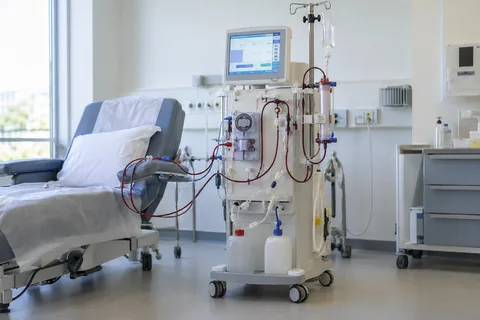
Treatment equipment
A hemodialysis machine manages blood and dialysate flow through an extracorporeal dialysis system, with monitoring and controls matched to its intended treatment configuration.
A hemodialysis machine manages blood and dialysate flow through an extracorporeal dialysis system, with monitoring and controls matched to its intended treatment configuration.
Equipment deployment depends on water infrastructure and compatible consumables, keeping installed-machine value distinct from the recurring treatment service.
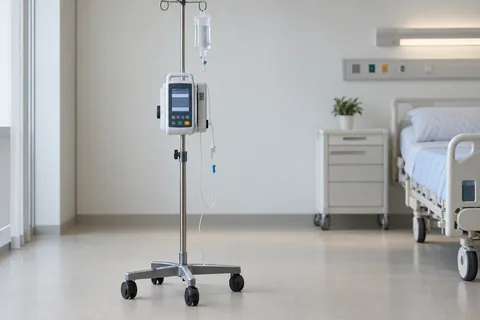
Medication delivery
Infusion pumps deliver fluids to a patient through a controlled mechanism, with volumetric, syringe and ambulatory configurations serving different delivery requirements.
Infusion pumps deliver fluids to a patient through a controlled mechanism, with volumetric, syringe and ambulatory configurations serving different delivery requirements.
Delivery sets, alarms and clinical workflow shape the installed infusion system, separating equipment procurement from compatible disposables and service requirements.
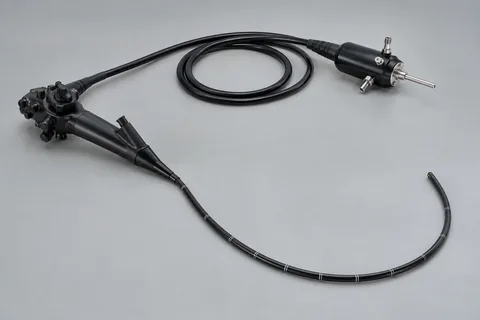
Clinical instruments
Endoscopes provide internal visualization through rigid, flexible or capsule-based optical and electronic designs; imaging, access and reprocessing arrangements vary by configuration.
Endoscopes provide internal visualization through rigid, flexible or capsule-based optical and electronic designs; imaging, access and reprocessing arrangements vary by configuration.
Imaging, access-device configuration and reprocessing requirements shape the endoscopy system, making equipment purchases distinct from use and replacement activity.
Representative product and service imagery. The selected report defines the research scope.
Product distinctions draw on the sources below. Demand connections and scenarios are APO editorial interpretation.
Discuss the product, geography and decision you need the research to address.