The durable product
Define what was sold, through which channel and to which owner population. Shipments and retail sell-through differ.
Consumer Goods
Durable products create markets for continued use, parts, repair and service. Those opportunities depend on what owners actually keep, use and buy again.
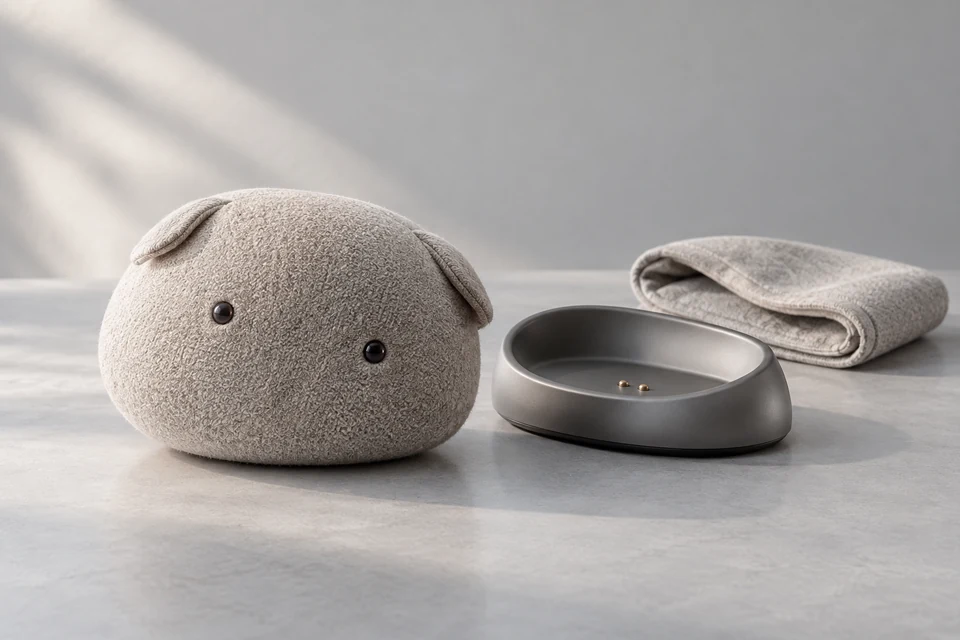
Companion robots and pet products
Follow a product cohort beyond the first sale. Continued use, service demand and paid membership have different populations and different costs.
Related populations, not equal counts. Either service path may apply; neither is assumed for every product. No retention or membership rate is illustrated.
Shipped products, actively used products and paying accounts are different cohorts. Replacement parts follow compatible products still in use; membership revenue follows contracts and renewals. Repeat income has to cover the service obligation it creates.
A companion robot can combine a physical product, software-supported behaviour and a relationship with its owner. The manufacturing market begins with a defined product and channel. A service market needs a further connection: continued use, an accessible owner and a reason to purchase support.
Hardware sales do not reveal active use or paid membership. Returns, inactivity, resale, repair and replacement change the installed cohort over time. Some products depend on ongoing connected services; others offer optional aftercare. Those arrangements should be established from the actual product and contract rather than assumed from the word robot.
CASIO's Japanese Club Moflin FAQ describes an annual support membership providing member pricing for repairs and fur-care services. It illustrates a service offer attached to a physical product; it does not establish cloud-computing revenue, customer retention or the membership model of every companion robot.
For a manufacturer, examine the serviceable cohort alongside component reliability, support cost and the product experience. A repair capability can sustain use while also creating an obligation. Repeat revenue has to be reconciled with repairs, parts, logistics and support rather than projected from cumulative shipments alone.
Trace the changed condition through the specific purchasing decision below.
Establish sell-through, returns and actual continued use before treating every shipped product as an active owner or a future paid account.
Keeping a product usable can support parts and services while changing replacement demand. Evaluate repair incidence and support effort alongside continued use.
Define eligible products, paid accounts, included services and member-priced transactions. Separate recurring fees from repair revenue and the cost of providing the promised support.
Separate the physical cohort, paid relationships and work supplied. A membership may cover several products; repairs may be priced separately.
Products sold and still serviceable
Returns, generation, ownership and continued use.
Compatible parts actually purchased
Failure, access, repair decisions and usable inventory.
Paid accounts and covered products
Eligibility, renewal and the precise support entitlement.
Work and resources used to serve the owner
Parts, repair, logistics and support cost per actual service.
CASIO’s Japanese Club Moflin is an aftercare example. The cohort framework does not assign its retention, fees, costs or the service model of the wider category.
Track generations, owner transitions, software support and spare availability alongside units sold. A launch cohort and a mature serviceable cohort face different replacement and support needs. Changes in support policy can alter the economics of older products without creating a new hardware sale; reconstruct those transitions before forecasting repeat income.
A product-history research agenda. Dated evidence is retained; no complete historical market series is claimed.
Connect the addressable customer and operating conditions to the decision.
Define what was sold, through which channel and to which owner population. Shipments and retail sell-through differ.
Separate active, inactive, returned, repaired and resold units. Do not assume a universal household, age group or subscription model.
Link paid contracts and actual service transactions to parts, logistics and support. A long relationship needs a sustainable obligation.
Follow two further products through the decisions they create.
Air cleaners and replacement filters
Whole-system clean-air delivery, energy efficiency and filter-replacement demand are separate questions. Operating time, particle load and maintenance practice influence replacement, while compatibility and channel choice determine who supplies it. A rated performance value is not a filter-sales factor.
Map the active product cohort and compatible filters. Separate initial equipment, bundled filters and later purchases; use actual replacement records rather than one assumed interval for every model and household.
Revise the consumable view when use, loading, product retention or replacement-channel behaviour changes. Certification can support a performance comparison but cannot establish the customer's annual purchases.
ENERGY STAR — room air cleaners
System performance and efficiency context; no health outcome or standard filter-life assumption.
Repairable phones and module parts
A modular design is one condition for repair. Parts availability, software support, cost and the owner's decision determine whether the product returns to use. New spare parts, refurbished modules and replacement phones form different supply paths.
Reconcile serviceable devices, diagnosed faults and actual repairs. Separate recovered-part supply from new manufacturing, then examine whether usable inventory reaches the right product generations.
Change the view when support ends, parts are unavailable or repair economics change. Fairphone's New Life offer demonstrates a refurbished-part route; it does not measure the frequency of repairs or years of additional use.
Fairphone — refurbished New Life parts
A company-specific part-reuse offer. No industry replacement displacement or environmental benefit is calculated.
Related product markets
Follow a product into its scope, applications and research editions.
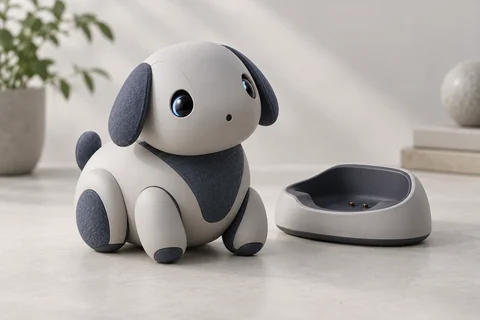
Connected products
AI companion toys are physical play objects that use sensing and software to select responsive speech, sound or movement, with hardware and continuing digital services forming distinct offerings.
AI companion toys are physical play objects that use sensing and software to select responsive speech, sound or movement, with hardware and continuing digital services forming distinct offerings.
Hardware shipments establish the installed toy base, while continued interaction and software access determine a separate path for recurring service use.
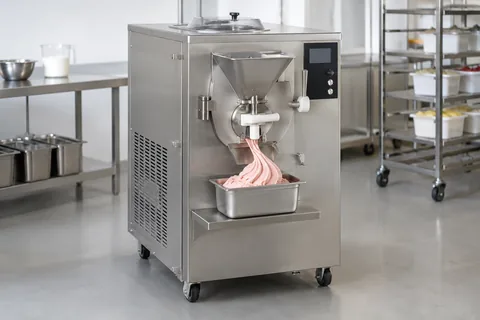
Appliances
Ice cream machines freeze and work a prepared mix through batch, continuous or dispensing equipment, with refrigeration and agitation determining the operating process.
Ice cream machines freeze and work a prepared mix through batch, continuous or dispensing equipment, with refrigeration and agitation determining the operating process.
Mix properties, cooling and agitation shape usable output, so nominal machine capacity needs an operating-cycle and product boundary before comparison.
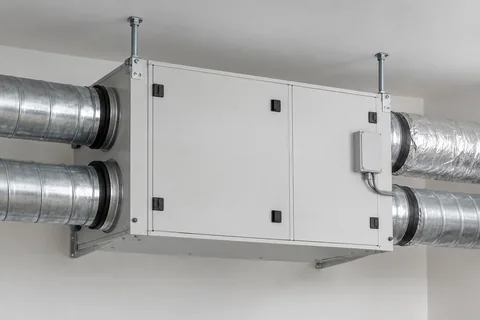
Indoor environments
Bidirectional-flow heat recovery ventilators exchange indoor and outdoor air while transferring heat between airflows or through a regenerative element; the airflow arrangement depends on the design.
Bidirectional-flow heat recovery ventilators exchange indoor and outdoor air while transferring heat between airflows or through a regenerative element; the airflow arrangement depends on the design.
Airflow and heat recovery operate within an installed ventilation arrangement, linking product adoption to building conditions, operation and replacement needs.
Representative product and service imagery. The selected report defines the research scope.
Product distinctions draw on the sources below. Demand connections and scenarios are APO editorial interpretation.
Discuss the product, geography and decision you need the research to address.