The market boundary
Complete new pumps, refurbished pumps, spares and service must be counted separately. Keep high-vacuum and backing pumps distinct.
Machinery & Equipment
New installations, replacement units and service work answer different manufacturing questions. Trace the equipment into its operating system.
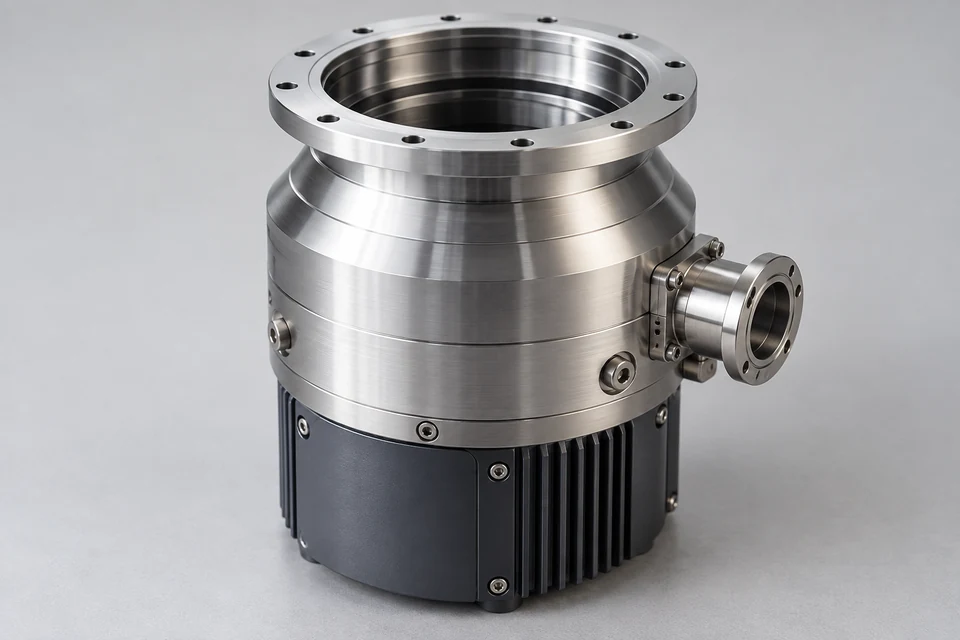
Turbomolecular vacuum pumps
The pump is one part of a vacuum system. New tools add installed equipment; replacements renew it; service work can keep it operating without a complete-unit sale.
A functional sketch. Actual conductance, gas-specific performance, controls and interfaces require separate evidence.
A pump rating is not chamber performance. Gas load, process pressure and interfaces determine the required system. New equipment follows qualified designs; replacement demand follows the installed base, serviceability and the repair-or-replace decision.
Start at the process chamber: the gas load, required vacuum, contamination limits and operating cycle shape the pumping system. The high-vacuum stage, backing stage, controls and interfaces have to work together. A pump's catalogue rating does not by itself establish the performance at the chamber.
Edwards offers magnetically levitated turbomolecular pumps and separate parts, repair and service offers. That distinction is commercially useful: a new pump, a refurbished unit and a repair are different transactions. Manufacturer operating claims remain specific to the stated model and conditions.
For an OEM programme, investigate the process route, equipment configuration, qualified supplier and actual build schedule. For the installed base, investigate utilisation, maintenance practices, failure and refurbishment. An order moved between these channels can change revenue without changing the number of operating chambers.
Trace the changed condition through the specific purchasing decision below.
Additional tool builds can add pumps, but the obtainable demand depends on how many stages the design uses and which supplier is qualified.
Track operating assets, removal reasons and the customer's repair decision. An older installed fleet does not automatically translate into full-unit replacements.
Gas composition, contamination constraints or operating duty can alter the qualified design. The same number of tools can therefore demand a different product mix.
Early equipment programmes can concentrate demand in qualified new units. As those cohorts operate, spares, repair, refurbishment and process upgrades become separate opportunities. To forecast them, reconstruct installation years and configuration changes, then test which operating events lead to a purchase. A generic replacement life would hide that history.
A historical research agenda, not a reconstructed market series. Dates, installed cohorts and adoption must be established for the product and customer population under study.
Make the boundary, evidence and revision conditions explicit before using a forecast to guide investment.
Complete new pumps, refurbished pumps, spares and service must be counted separately. Keep high-vacuum and backing pumps distinct.
Translate the proposed mix into machining, balancing, assembly, testing and acceptance. Installed floor space is not accepted output.
Revise demand when tool builds, design content, qualification or repair economics change. Each moves a different part of the bridge.
Follow two further products through the decisions they create.
Industrial compressed air
Pressure requirements, simultaneous demand, storage, controls and leaks shape the supply requirement. Treating nameplate compressor capacity as useful delivered air can obscure both an equipment opportunity and an operating problem.
Study measured load and pressure at the required point of use. Separate necessary production demand from losses before comparing additional compressors, controls or system work.
Revise the equipment requirement after leakage, pressure drops or operating schedules change. Do not apply a published plant's savings percentage to another customer.
US Department of Energy — compressed air systems
System guidance supports the variables; no plant-specific saving is claimed.
High-mix machining
For mixed small batches, setup, tooling, inspection and material availability may govern delivery alongside cutting time. A purchasing team needs the actual product mix and accepted output, not a comparison of nominal machine speeds.
Map representative job routes and time lost between them. Compare proposed machines through accepted parts, repeatability and the capacity of adjacent steps.
Reopen the investment case when batch size, inspection demand or the bottleneck changes. Require customer time studies and quality records before estimating return on investment.
Research scope
APO decision framework; no measured factory result or completed client project is asserted.
Related product markets
Follow a product into its scope, applications and research editions.
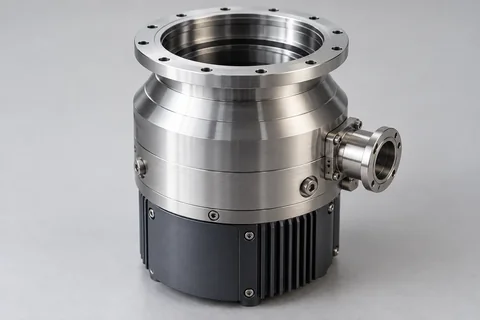
Vacuum systems
A turbomolecular pump generates high vacuum by transferring momentum to gas molecules through alternating rotor and stator blade stages, with a backing pump handling the exhaust.
A turbomolecular pump generates high vacuum by transferring momentum to gas molecules through alternating rotor and stator blade stages, with a backing pump handling the exhaust.
Gas-specific compression, chamber conductance and backing pressure shape delivered vacuum performance, distinguishing the pump specification from the installed system.
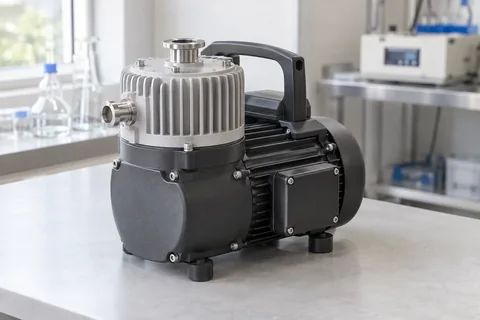
Oil-free vacuum
Dry scroll vacuum pumps compress gas in shrinking pockets formed between fixed and orbiting spiral elements, without oil in the swept pumping chamber.
Dry scroll vacuum pumps compress gas in shrinking pockets formed between fixed and orbiting spiral elements, without oil in the swept pumping chamber.
Scroll geometry, tip-seal wear and service requirements link clean backing-vacuum duty to lifecycle cost and replacement needs.
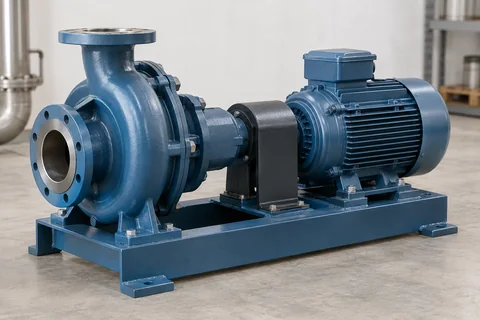
Fluid handling
A centrifugal pump transfers energy from a rotating impeller to a liquid, while the casing or diffuser converts part of that motion into pressure.
A centrifugal pump transfers energy from a rotating impeller to a liquid, while the casing or diffuser converts part of that motion into pressure.
The pump and piping curves determine delivered flow, so duty conditions and wetted materials matter more than comparing nominal pump sizes.
Product research
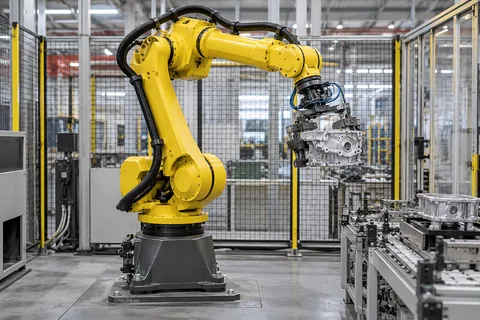
An industrial robot is a programmable manipulator used to execute automated tasks through controlled movement.
An industrial robot is a programmable manipulator used to execute automated tasks through controlled movement.
Reach, payload, cycle behaviour and repeatability describe different capabilities. Tool mass and load moments must be included in the chosen duty.
Fixtures, sensing, guarding and process equipment determine whether the robot completes the accepted task. Robot shipments and commissioned cells represent different markets.
Demand follows automated stations and the production work those stations perform. Robot units, end effectors, integration and complete cells have separate commercial scope.
Product research
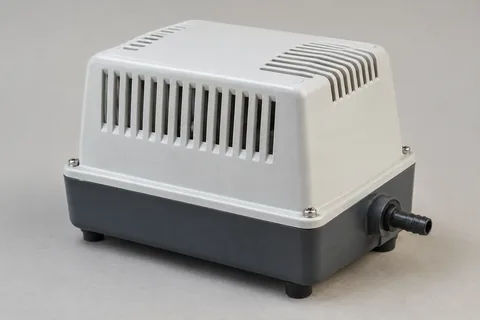
A linear diaphragm pump moves a flexible diaphragm using a linear actuator. Inlet and outlet valves direct the displaced fluid through the pump head as the diaphragm reciprocates.
A linear diaphragm pump moves a flexible diaphragm using a linear actuator. Inlet and outlet valves direct the displaced fluid through the pump head as the diaphragm reciprocates.
The diaphragm separates the pumped medium from the drive. Chamber geometry, stroke and valve behaviour determine displaced volume and practical flow.
Gas and liquid duties impose different priming, back-pressure and material requirements. Electromagnetic drives also generate heat, which affects installation and permitted operating conditions.
Nominal stroke volume does not guarantee delivery when the circuit changes pressure or traps gas. Distinguish the pump component from instrument assemblies, tubing and dosing controls.
Product research
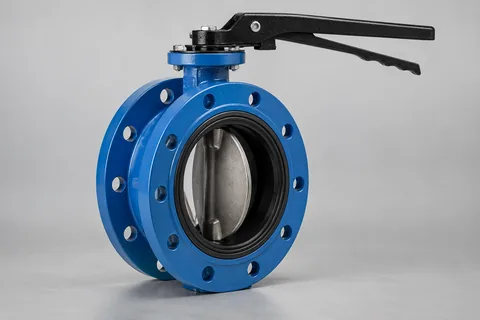
A butterfly valve rotates a disc across a pipe bore. The body supports the shaft and seat, while a lever, gearbox or actuator moves the disc between open and closed positions.
A butterfly valve rotates a disc across a pipe bore. The body supports the shaft and seat, while a lever, gearbox or actuator moves the disc between open and closed positions.
Disc position changes the available flow area. Seat material and concentric or offset geometry influence sealing, temperature capability and operating torque.
The open disc remains in the flow path. Pressure loss, solids exposure and actuator sizing should be assessed at the actual fluid conditions rather than inferred from connection diameter.
A valve must close reliably while remaining compatible with the medium and available actuation. Separate valve assemblies from actuators sold independently and complete pipework packages.
Representative product and service imagery. The selected report defines the research scope.
Product distinctions draw on the sources below. Demand connections and scenarios are APO editorial interpretation.
Discuss the product, geography and decision you need the research to address.