Separate stocks and flows
Installed equipped area is a stock. Newly equipped area and component purchases are period flows.
Agriculture
Area alone cannot explain irrigation-product demand. Layout, operating conditions and renewal turn a field requirement into a product market.
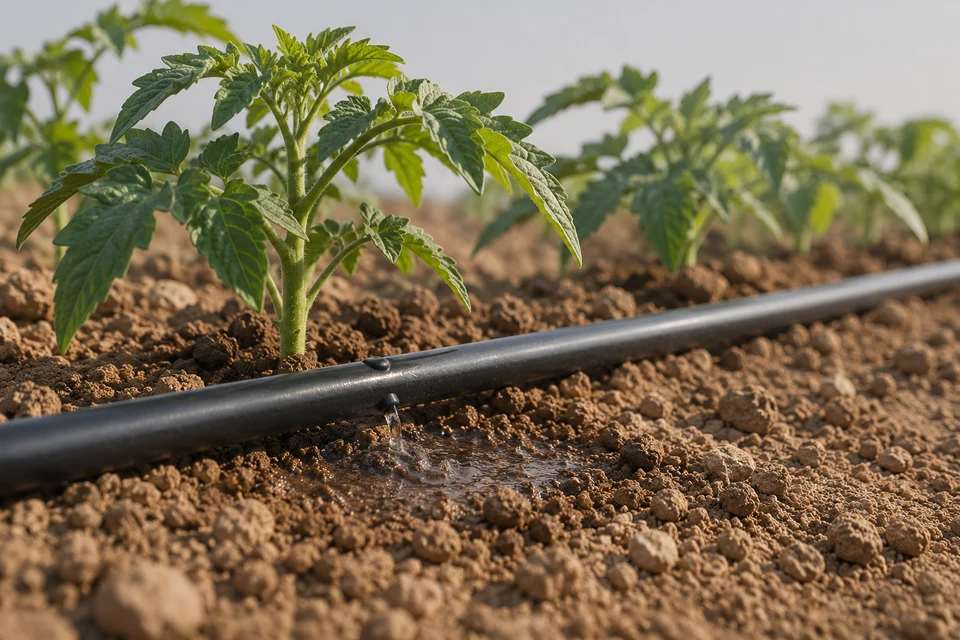
Drip irrigation laterals
Crop rows, laterals and emitter spacing determine a geometric requirement. Existing usable stock and the replacement cycle determine what must be purchased.
The sketch illustrates rows and delivery points. It is not a field measurement or irrigation engineering recommendation.
Crop area is not annual irrigation-equipment demand. Adoption, row geometry and emitter layout define an installation; retained systems, renewal and maintenance determine later purchases. Water conditions can change both configuration and service needs.
Begin with the crop and field layout. Row spacing, laterals per row and emitter spacing change the length and number of delivery points required on the same area. Water quality, terrain, operating pressure and the crop's needs also enter an actual design.
Netafim's 2021 equipment guide differentiates crop configurations and seasonal or longer-use product choices. These are supplier design options, not measured industry-average adoption or lifetime. A product supplier has to identify the customer's actual configuration and procurement pattern.
A market model must then separate newly equipped area from continued operation and renewal. A seasonal line and a retained multi-season system have different purchasing patterns. Transfers, repairs and retirement also matter; counting the full installed area as new annual demand would overstate purchases.
Trace the changed condition through the specific purchasing decision below.
Separate the full crop area from the portion newly equipped with the product under study, then translate its actual layout.
Record which components remain usable and which are replaced. Do not assume the same life for all lines, filters, valves and controls.
Source-water conditions and operating needs can alter filtration and maintenance requirements without changing planted area.
Separate the layout requirement from adoption, renewal and purchases. Edit the assumptions to compare configurations.
Illustrative geometry · not annual demand
1 ha · 1 m rows · 1 lateral per row · 0.3 m emitter spacing.
Lateral length = area × 10,000 ÷ row spacing × laterals per row. Approximate emitter positions = lateral length ÷ emitter spacing, rounded to whole positions. Simplified rectangular-area geometry; headlands, finite row ends, fittings, hydraulics and losses are excluded. Initial values are invented comparison assumptions, not measured field data or recommended crop settings.
Reconstruct when fields were equipped and which product configurations remained in service. Crop changes, seasonal removal, component renewal and new-area adoption can coexist. The next purchase period depends on those cohorts and operating practices; neither a supplier catalogue date nor total irrigated area supplies a replacement schedule.
A historical research agenda, not a reconstructed market series. Dates, installed cohorts and adoption must be established for the product and customer population under study.
Make the boundary, evidence and revision conditions explicit before using a forecast to guide investment.
Installed equipped area is a stock. Newly equipped area and component purchases are period flows.
Bed and row layouts, seasonal practices and product choice determine intensity. An average across unlike crops can conceal the market.
Filtration, hydraulics, maintenance and crop operation affect suitability. Geometry alone is not a performance recommendation.
Follow two further products through the decisions they create.
Irrigation filtration
Water source, suspended material and required operating conditions shape filtration choice. Filters, backwashing, maintenance and replaced elements have distinct transactions; an irrigated-area forecast cannot allocate them on its own.
Identify the water and hydraulic conditions and the actual installed filtration system. Keep initial equipment, operating parts and maintenance separate in the demand model.
Revise the mix when water quality, cleaning practice or product acceptance changes. Field analysis and actual service records are needed before comparing cost or performance.
Netafim — filtration catalogue
Supplier equipment context; no field performance or standard consumption rate.
Produce cold chains
Product quality depends on the sequence from harvest through cooling, storage and transport. A larger cold store does not resolve a delay before cooling or a break later in distribution. Equipment opportunities occur at different points in that chain.
Specify the crop, season and route. Locate time and temperature exposure and reconcile accepted deliveries before selecting precooling, storage or transport investment.
Change the proposed intervention when the loss point, route or buyer acceptance changes. Published global loss figures cannot establish a local project's benefit.
FAO — sustainable food cold chains
Whole-chain research context. No local loss rate or return is claimed.
Related product markets
Follow a product into its scope, applications and research editions.
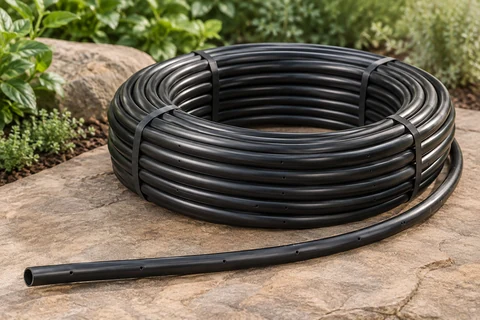
Water delivery
Drip irrigation pipes and driplines distribute water along crop rows, with emitters releasing controlled flows at specified locations above or below the soil surface.
Drip irrigation pipes and driplines distribute water along crop rows, with emitters releasing controlled flows at specified locations above or below the soil surface.
Equipped area becomes pipe demand through row layout, installed length and renewal, separating agricultural expansion from annual replacement purchases.
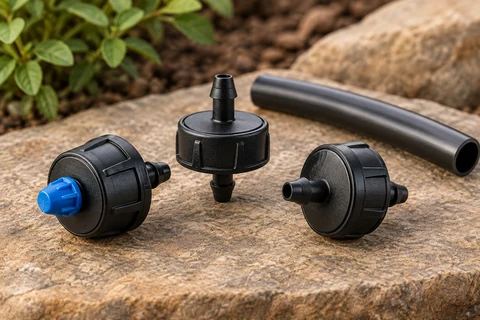
Delivery points
A drip irrigation emitter meters water from a lateral pipe to a plant's root zone; its flow path and pressure-compensation design determine discharge behaviour.
A drip irrigation emitter meters water from a lateral pipe to a plant's root zone; its flow path and pressure-compensation design determine discharge behaviour.
Emitter configuration and spacing determine the components installed in a drip system, so irrigated area needs a defined installation pattern before conversion into units.
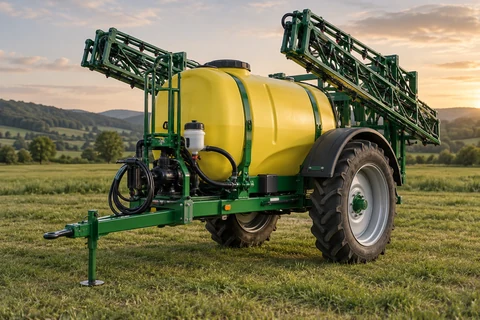
Application equipment
Agricultural sprayers deliver liquid through a pumping or pressurization system and nozzles, with the carrier, spray arrangement and control system configured for the field task.
Agricultural sprayers deliver liquid through a pumping or pressurization system and nozzles, with the carrier, spray arrangement and control system configured for the field task.
Application duty and equipment configuration shape sprayer requirements, while replacement and service needs follow the installed fleet rather than crop area alone.
Representative product and service imagery. The selected report defines the research scope.
Product distinctions draw on the sources below. Demand connections and scenarios are APO editorial interpretation.
Discuss the product, geography and decision you need the research to address.