AI-powered smart home devices are seeing rapid adoption, with voice assistants, energy management systems, and home security solutions leading the growth.
The global smart home market has reached $180 billion in 2025, growing at 18% annually as artificial intelligence integration transforms everyday consumer electronics into intelligent, interconnected systems.
AI-Powered Evolution
The integration of on-device AI processing has fundamentally changed smart home capabilities. Modern smart speakers and displays now feature large language model capabilities, enabling natural conversation and complex task automation. Google's Gemini and Amazon's Alexa+ have moved beyond simple voice commands to proactive assistance, contextual awareness, and multi-step task execution.
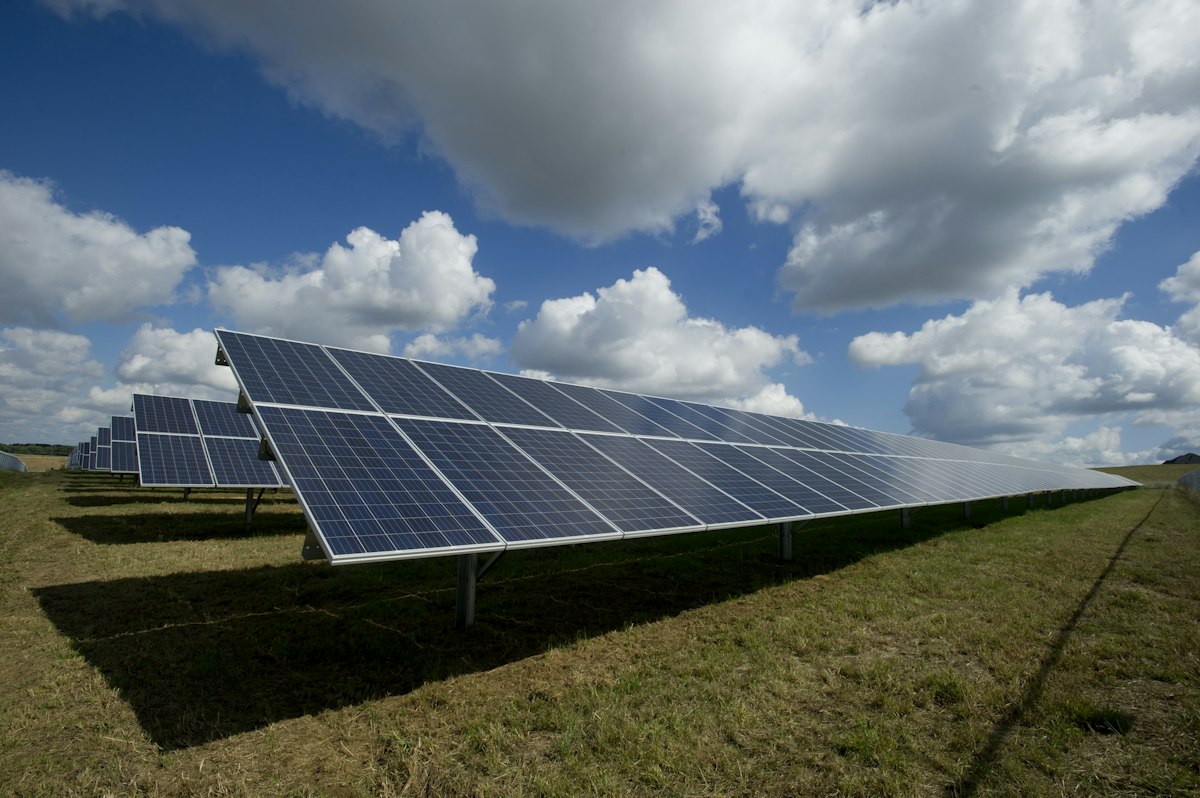
Smart home energy management has emerged as a high-growth category, driven by rising energy costs and sustainability awareness. AI-optimized systems that autonomously manage heating, cooling, and electricity consumption can reduce household energy bills by 20-30%. Integration with solar panels, home batteries, and EV chargers creates comprehensive home energy ecosystems.
Security and Privacy
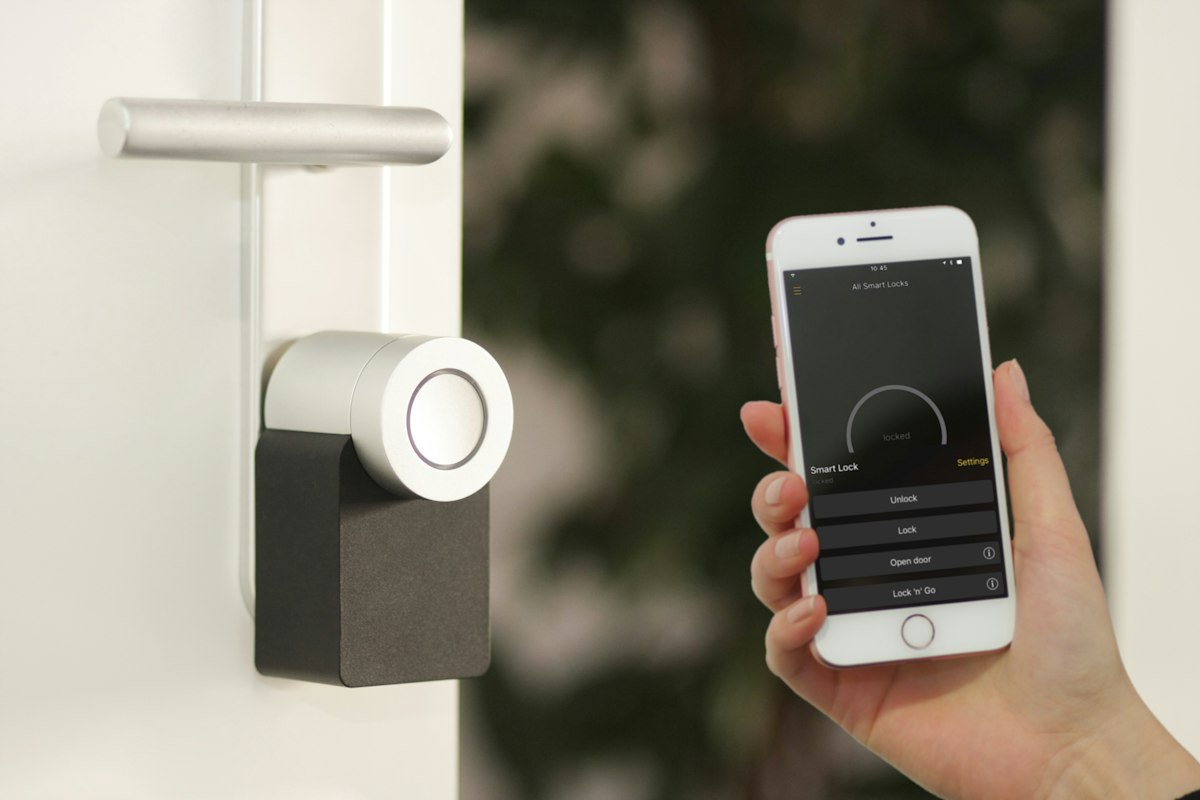
AI-powered home security systems with advanced computer vision, facial recognition, and anomaly detection have seen 50% year-over-year growth. However, privacy concerns around always-on cameras and microphones continue to drive demand for edge-processing solutions that minimize cloud data transmission.
Interoperability
The Matter smart home standard, now supported by over 1,000 certified devices from 300+ brands, is finally delivering on the promise of seamless interoperability. Consumers can mix and match devices from different manufacturers, reducing vendor lock-in and accelerating adoption among mainstream consumers.