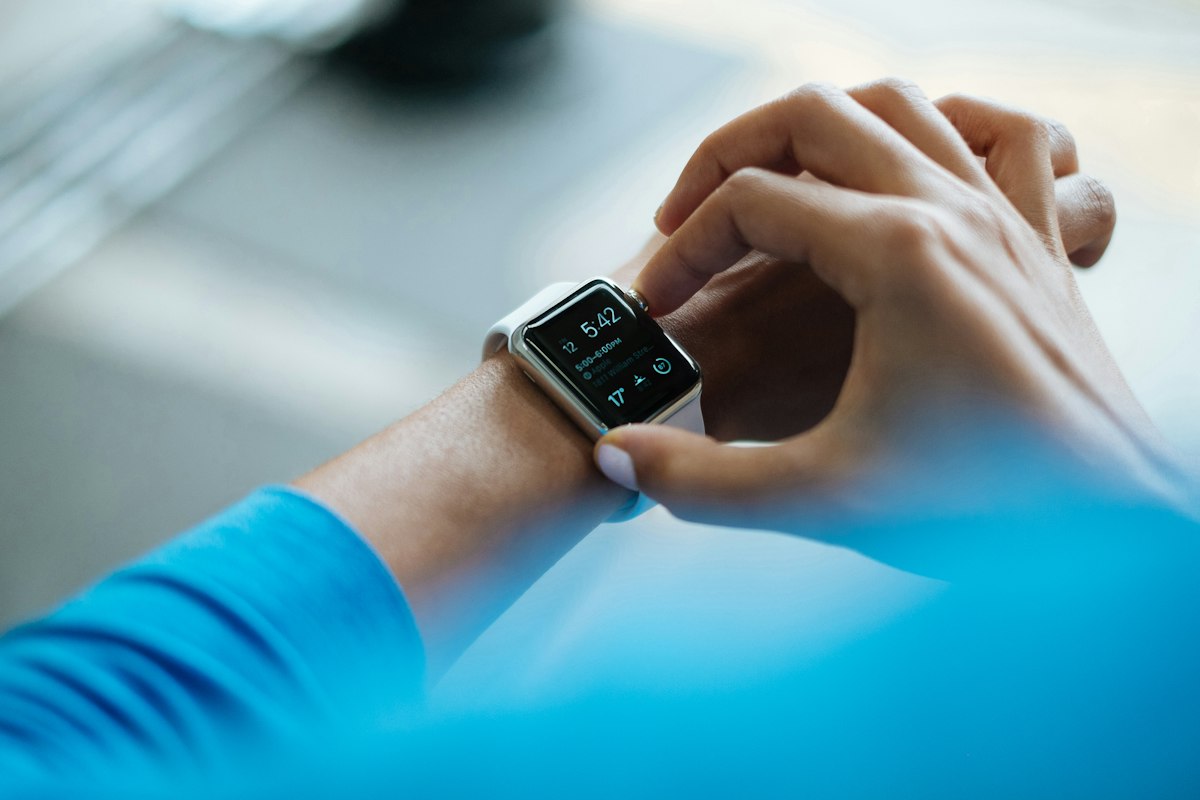
Consumer wearable devices with medical-grade sensors are transforming preventive healthcare, driving a market worth $85 billion in continuous health monitoring.
The wearable health technology market has grown 28% year-over-year to reach $85 billion in 2025, as consumer devices increasingly incorporate medical-grade biosensors capable of continuous health monitoring and early disease detection.
Technology Advancements
Modern smartwatches and fitness trackers now feature sensors for continuous blood glucose monitoring (CGM), blood pressure measurement, ECG recording, and blood oxygen saturation. Apple Watch Series 11 and Samsung Galaxy Watch 7 have received FDA clearance for non-invasive blood glucose estimation, a breakthrough that could benefit the estimated 537 million adults living with diabetes globally.
Wearable patches for continuous health monitoring represent the fastest-growing form factor. Companies like Dexcom, Abbott, and emerging startups have developed adhesive sensors that monitor multiple biomarkers simultaneously and transmit data to smartphone apps for analysis.
Clinical Integration
Healthcare providers are increasingly integrating wearable data into clinical workflows. Remote patient monitoring programs using wearable devices have shown 35% reduction in hospital readmissions and 20% improvement in chronic disease management outcomes. Insurance companies in several markets now offer premium discounts for policyholders who share wearable health data.
Regulatory Landscape
Regulatory agencies are developing new frameworks to accommodate the convergence of consumer electronics and medical devices. The FDA's Digital Health Center of Excellence has streamlined approval pathways for software-based medical device features, encouraging innovation while maintaining safety standards.