Pharma & Healthcare
Ondansetron Industry Research Report 2026
20 January 2026
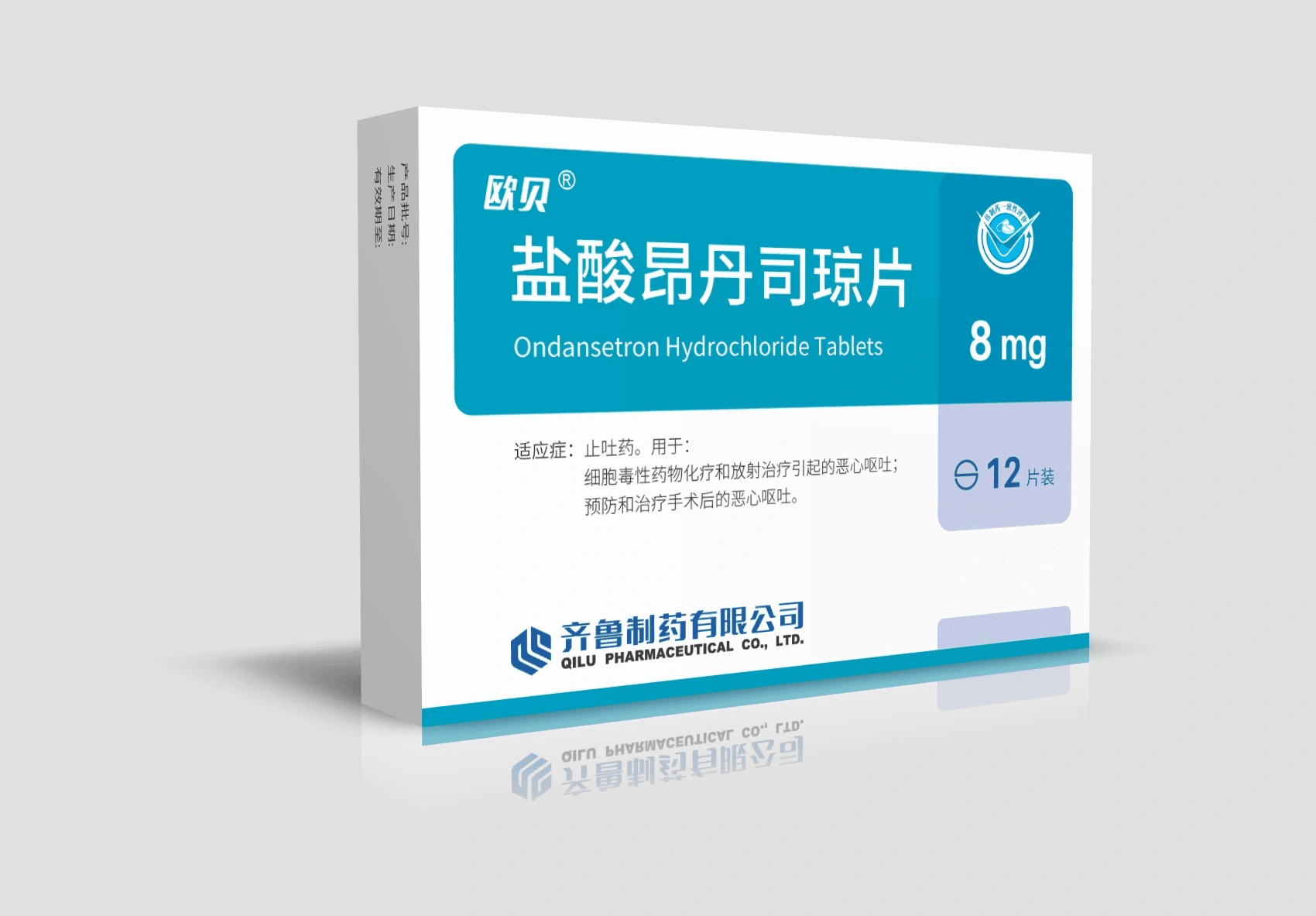
Ondansetron is a synthetic, small-molecule 5-HT3 receptor antagonist used as an antiemetic for prevention and treatment of nausea and vomiting driven by serotonin release, most prominently chemotherapy-induced and postoperative settings. It is marketed predominantly as the racemate. The free-base molecular formula is C18H19N3O (molecular weight 293.36 g/mol). A commonly used systematic chemical name is (RS)-9-methyl-3-[(2-methyl-1H-imidazol-1-yl)methyl]-2,3-dihydro-1H-carbazol-4-one; commercial products are frequently supplied as ondansetron hydrochloride (often with defined hydration state) to improve handling and aqueous solubility in finished dosage forms.
From a physicochemical standpoint, ondansetron is a weakly basic heteroaromatic ketone (imidazole nitrogen as the principal basic site), typically encountered as an off-white crystalline solid. The free base is sparingly soluble in water with moderate lipophilicity (logP in the low-to-mid single digits), while the hydrochloride salt is substantially more water-soluble and therefore preferred for oral solutions and injectables. Industrial synthesis is generally executed by constructing the carbazol-4-one core (via stepwise ring-forming cyclization on a suitably substituted bicyclic precursor), introducing a 3-(halomethyl) or equivalent electrophilic handle, then performing N-alkylation of 2-methylimidazole to install the imidazolylmethyl side chain; the active base is finally converted to the hydrochloride (and, where applicable, crystallized to a controlled hydrate) under tightly controlled crystallization and polymorph control conditions.
Pharmacologically, ondansetron is a potent and selective antagonist of the 5-HT3 ligand-gated ion channel, blocking serotonin-mediated signaling on peripheral vagal afferents in the gastrointestinal tract and centrally within the chemoreceptor trigger zone and vomiting center, thereby suppressing the emetogenic reflex without relying on dopamine D2 receptor blockade. After oral administration, systemic exposure is limited by first-pass metabolism and shows moderate bioavailability; peak concentrations typically occur within a few hours. Distribution is extensive with moderate plasma protein binding. Clearance is predominantly hepatic oxidative metabolism (CYP3A4 as a major contributor, with CYP2D6 and CYP1A2 also participating), with metabolites eliminated in urine and feces and only a minor fraction recovered unchanged; the terminal half-life in healthy adults is on the order of several hours and is meaningfully prolonged in hepatic impairment, which is the clinically relevant driver for dose limitation in that population.